 A1_64105_2500
 Sony announced a new version of their 70-200mm f/2.8 lens in October 2021. This one replaces their original 70-200mm f/2.8 for E mount, announced in 2016. They did some interesting things in this new lens. I will get to those.
The 70-200mm f/2.8 lens is a staple for professional photographers. It is flexible, capable of good subject separation, and reliable. I am not a professional photographer, and I am quite fond of using prime lenses, but I have owned three 70-200mm f/2.8 lenses over the last two decades, because they are too useful to ignore. I bought the Canon EF 70-200mm f/2.8L IS over 15 years ago. It was considered a fine lens back then; almost 1.5kg of metal and glass, complete with Canon’s image stabilisation. Several years later, after a move to Nikon, I bought the Nikkor AF-S 70-200mm f/2.8 VR II. Also a fine lens; and just over 1.5kg of metal and glass with Nikon’s Vibration Reduction system. When I moved to Sony, I resisted the temptation of Sony’s 70-200mm, because it, too, was around 1.5kg (a little less), and I wanted lighter lenses. No 70-200/2.8 for me!
Sony finally got me to buy a zoom lens with the 200-600mm G. I want to reach out to 600mm, but the 600mm f/4 GM is seriously pricy. Unlike the 150-600mm zooms from Sigma and Tamron (which extend a lot when zooming out to 600mm), the 200-600mm has both internal zoom and internal focus. I discovered that I liked that.
So when Sony announced that their new 70-200mm was also internal zoom and focus, I started to pay attention. Even better, this is a 70-200mm f/2.8 lens which defies the expectation that it weigh 1.5kg; this one weighs 1045g, barely over 1kg. This lens gets features we’ve seen in some of Sony’s best new lenses: it has an extreme aspheric element (like the 135 GM, except that this one is made from ED glass, reducing both spherical and chromatic aberrations simultaneously), it has four linear motors driving a pair of focus groups (like the 135GM and the 50GM). Oh, and where the original Sony 70-200 GM had a minimum focus distance of 96cm (which was good), this one reduces it to 40cm.
I got lucky. My local store managed to get stock of this lens quickly, and I leapt on the chance. I needed a 200mm lens that weighed less than the 200-600mm, and Sony didn’t seem to be coming out with a 200mm prime (admittedly, a 200mm f/2 could weigh even more than the 200-600mm). I hoped I would not regret my impulsive behaviour.
Very first impression? It’s really light! It does not feel like a 70-200 f/2.8. It feels barely heavier than my beloved 135mm GM (where “barely heavier” is 95g = 10% of the weight of the 135 GM).
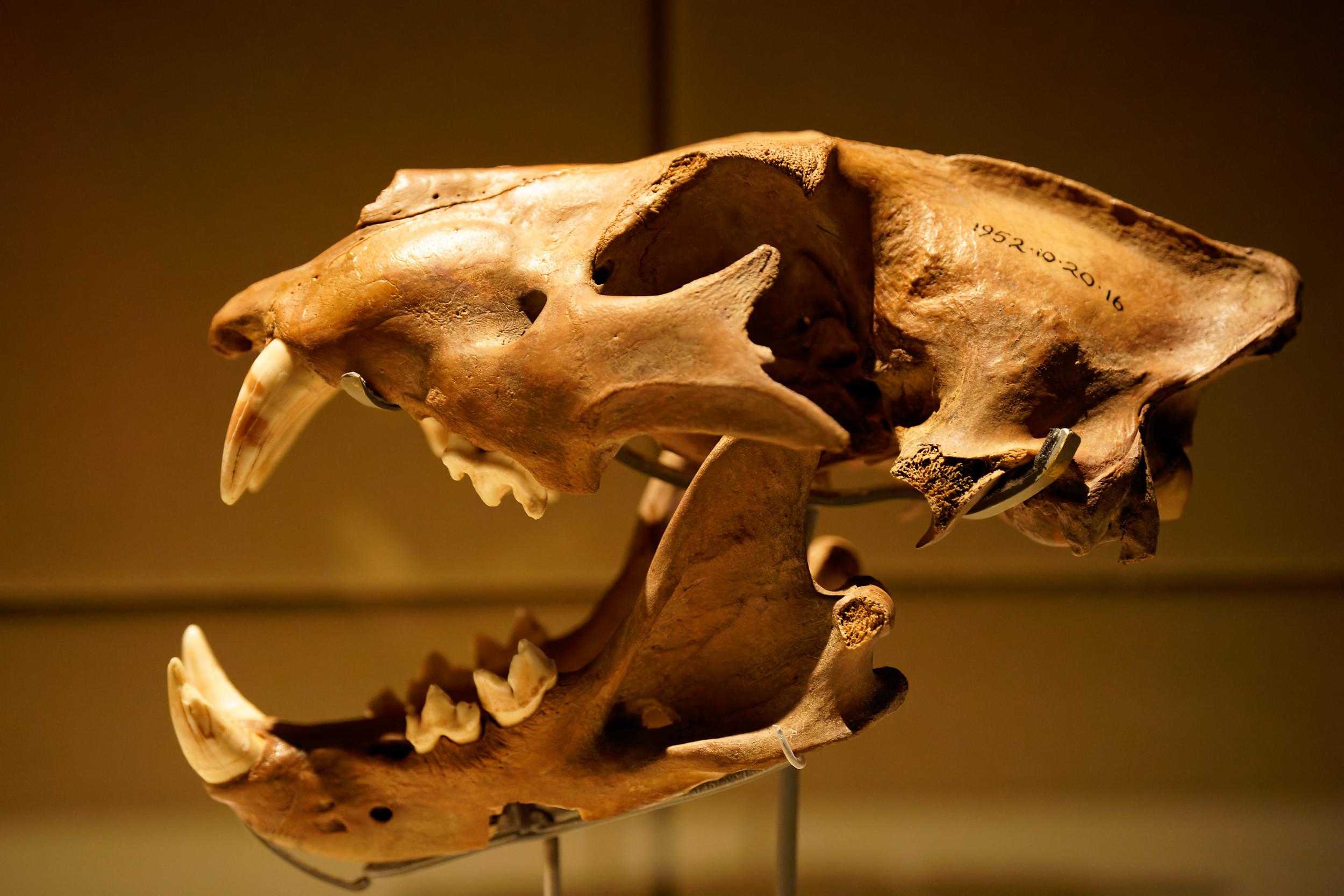
I had plans to visit a collection of exhibits from the London Natural History Museum, so I took my new lens along. It’s an unusual selection of exhibits, featuring some things I had not expected to see (a first edition of Darwin’s Origin of Species, and specimens collected by Darwin and several other famous naturalists). Sadly, a lot of the collection is in fairly dim light. Fortunately, my new lens was fully capable of focussing even in the dim light. My biggest problem was reflections from the glass cabinets - it was impossible to get a good shot of the dodo (I will have to return another day to try again).
The image I’ve shown above was shot at ISO 12000, f/2.8, 1/125 at 108mm on the 70-200mm using a Sony A1. It is uncropped.
It amused me to show an image of a fossil predator taken with the most recent of Sony’s GM lenses.
I would not normally report my first impressions after a single outing with a lens, but this one has really impressed me.
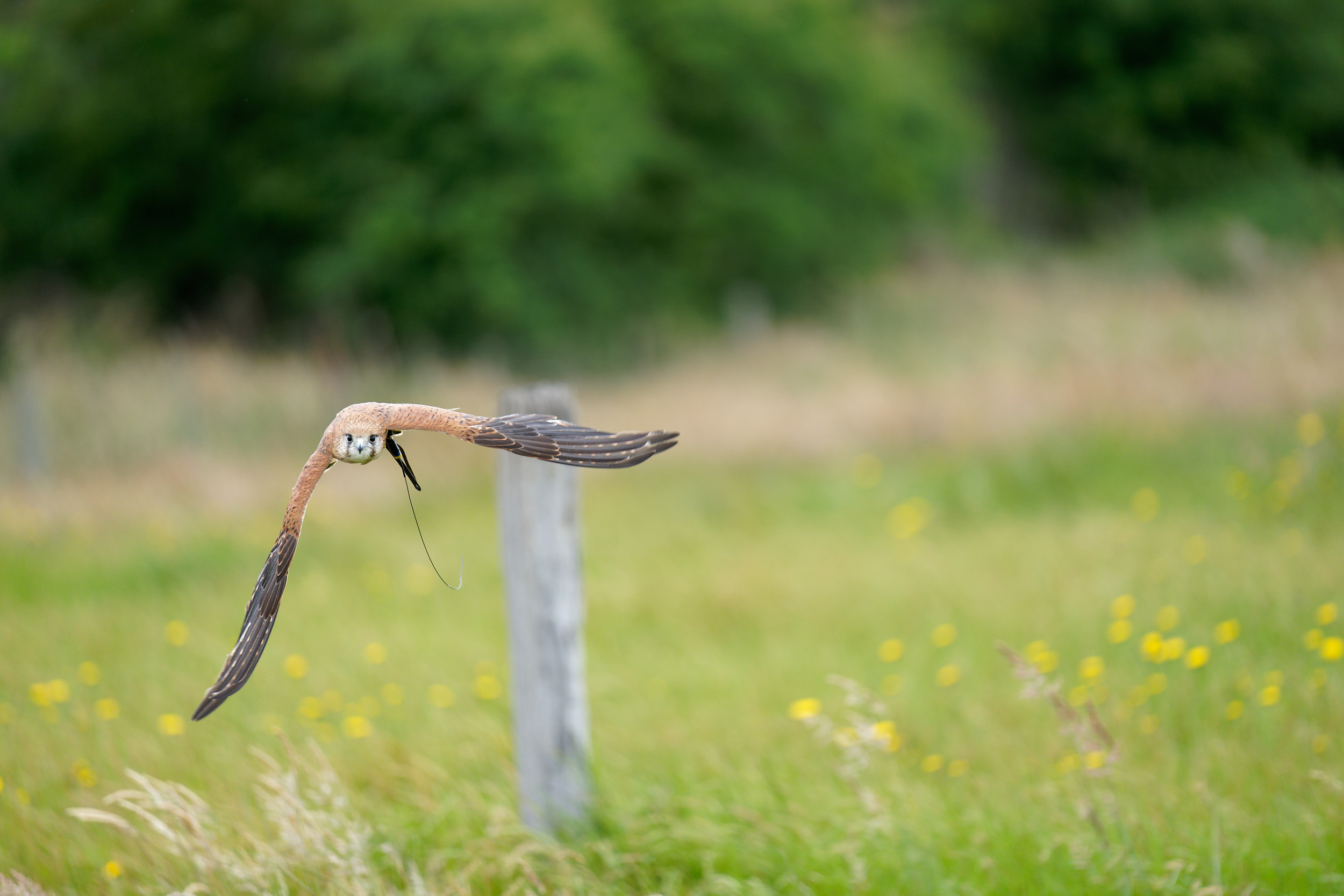
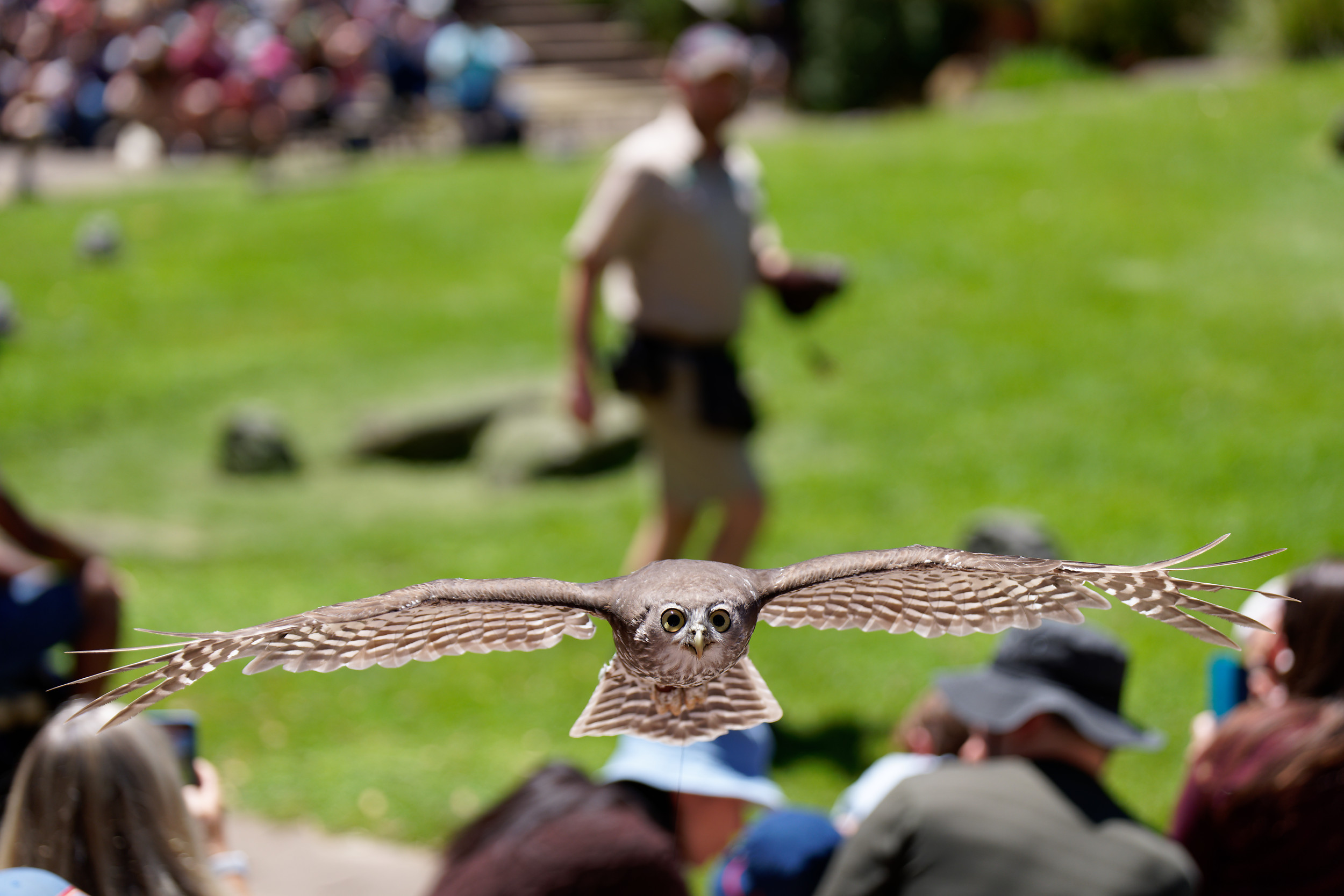 A barking owl in flight - straight at me!
 I'm ready for my close-up Mr de Mille.
Read article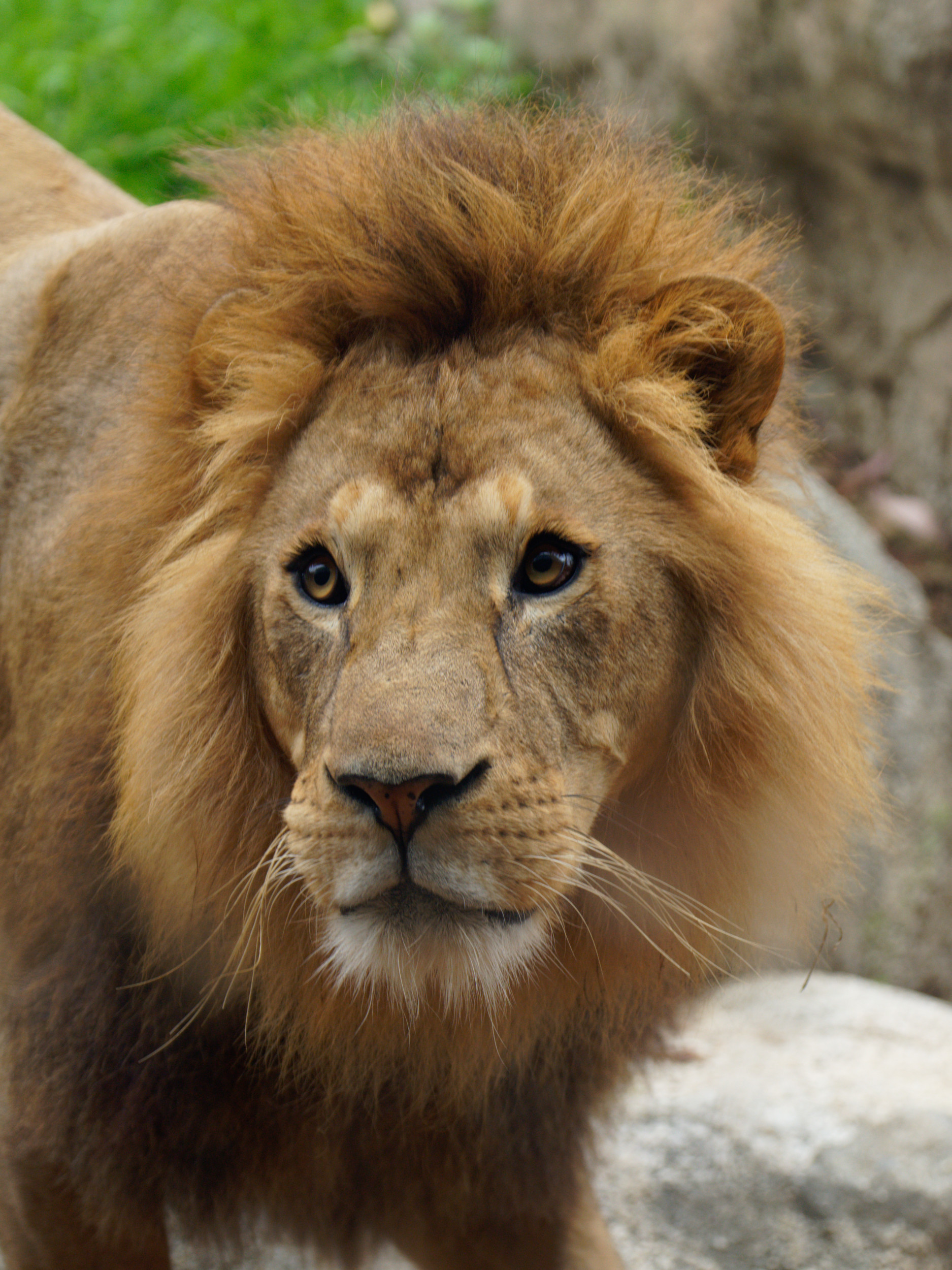 Melbourne Zoo on Christmas Day
 Christmas at Melbourne Zoo is a time to get some beautiful photographs on our friends.
Read article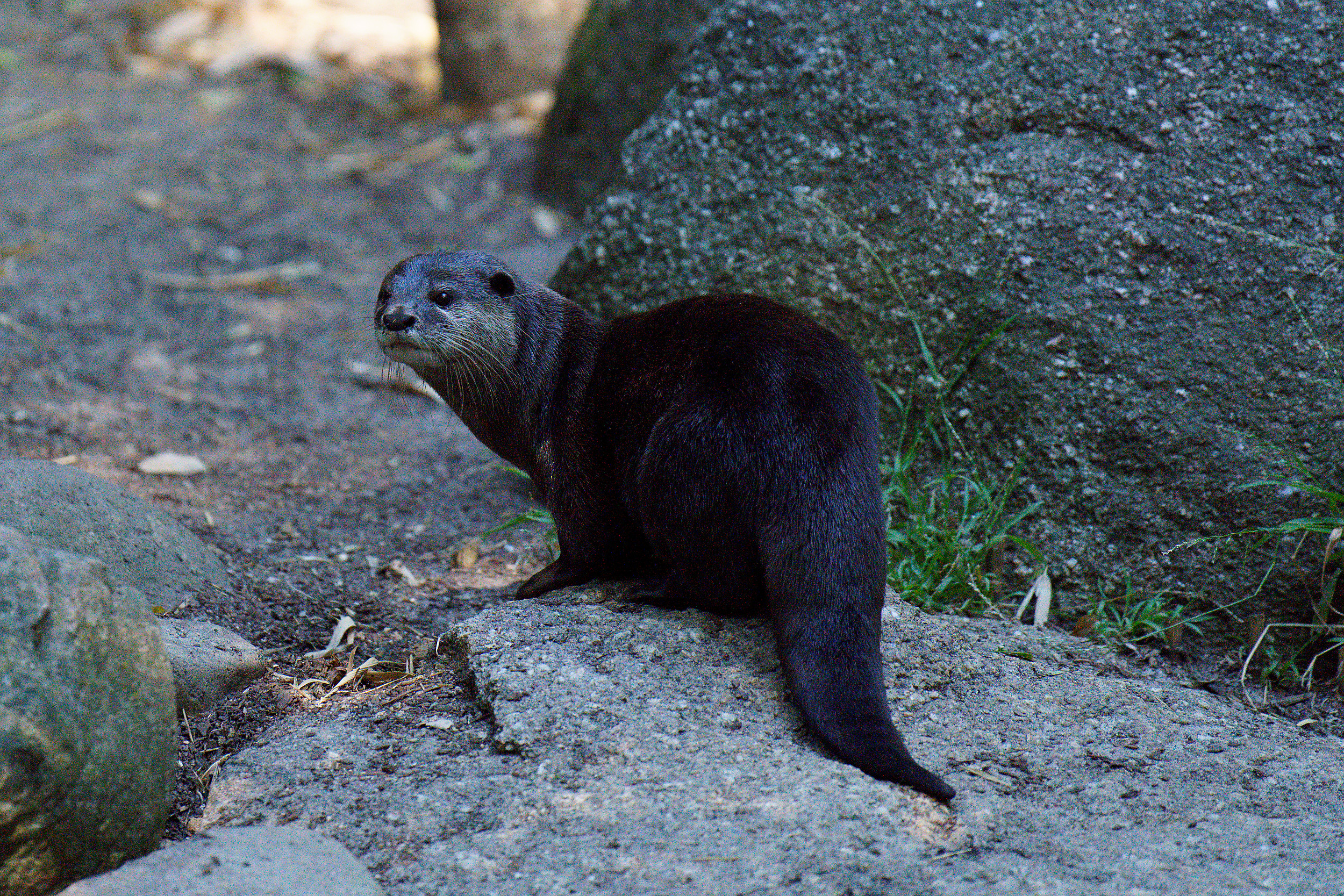 Melbourne Zoo on New Year's Eve
 New Year's Eve at Melbourne Zoo was hot, but the otter's enclosure is well shaded.
Read article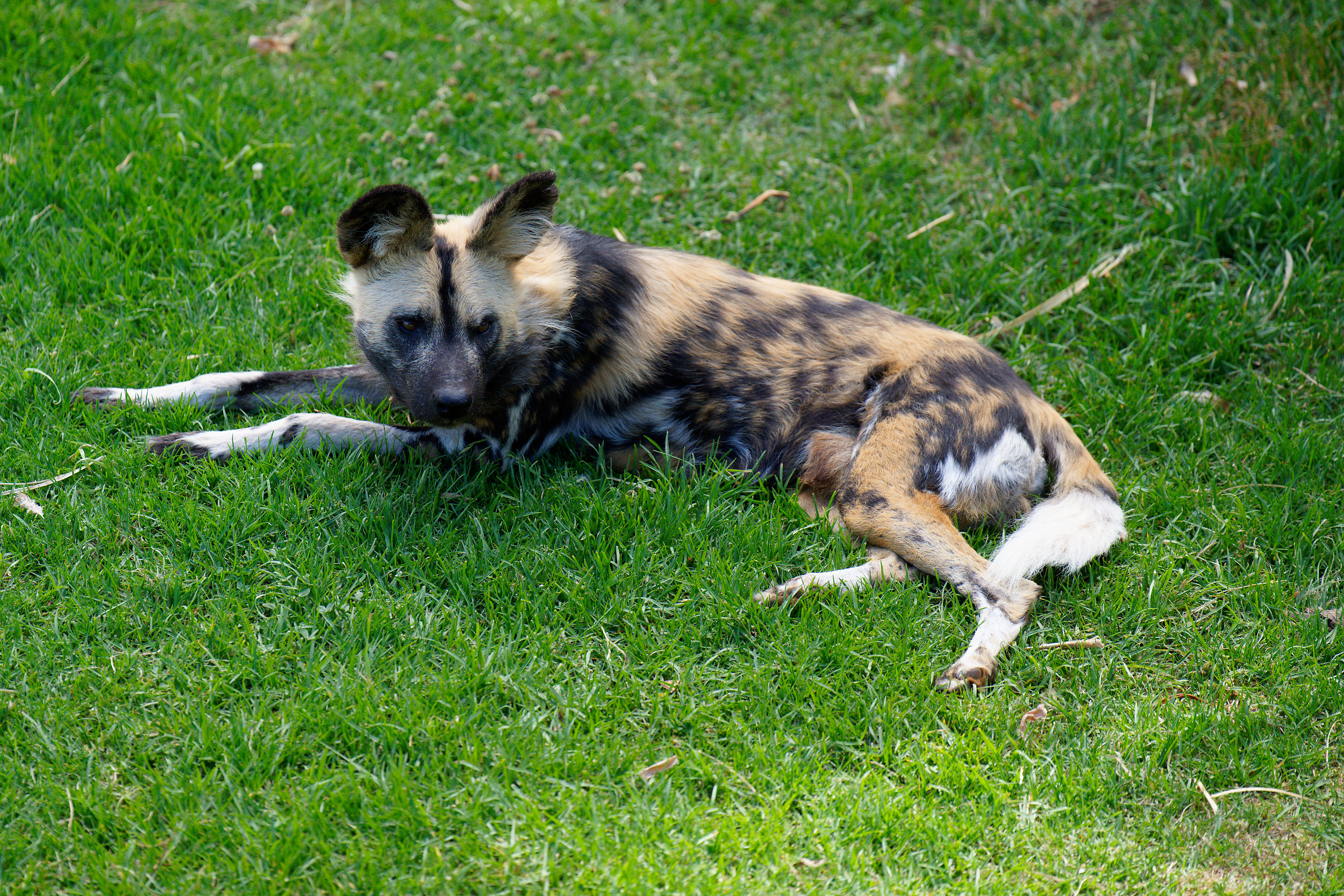 The wild dogs of Werribee
 Giving the African wild dogs at Werribee Open Range Zoo some time in the sun
Read article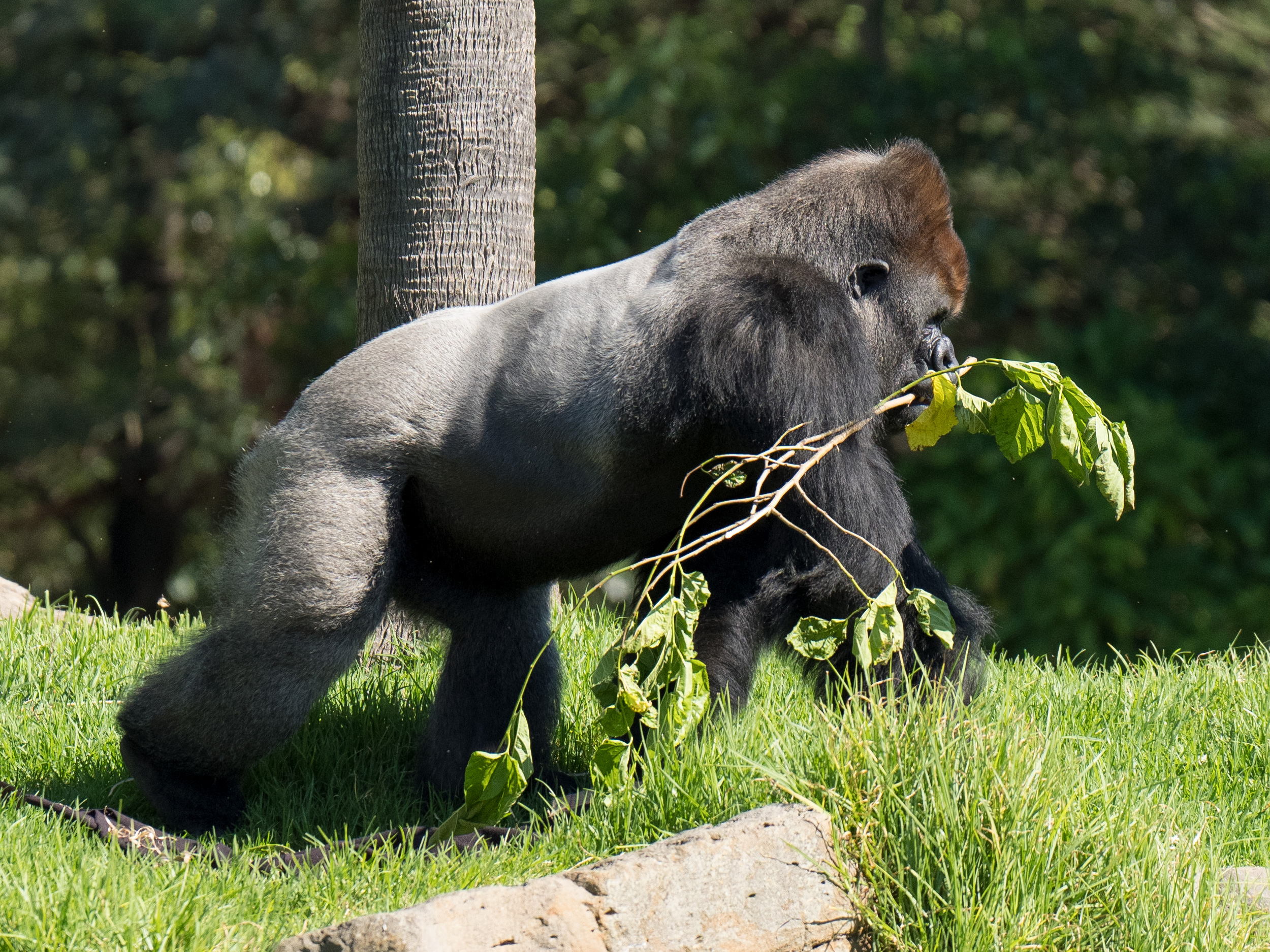 Gorilla's breakfast answering "how sharp is it?"
 Does this photograph of a gorilla's breakfast show how sharp this lens can be?
Read article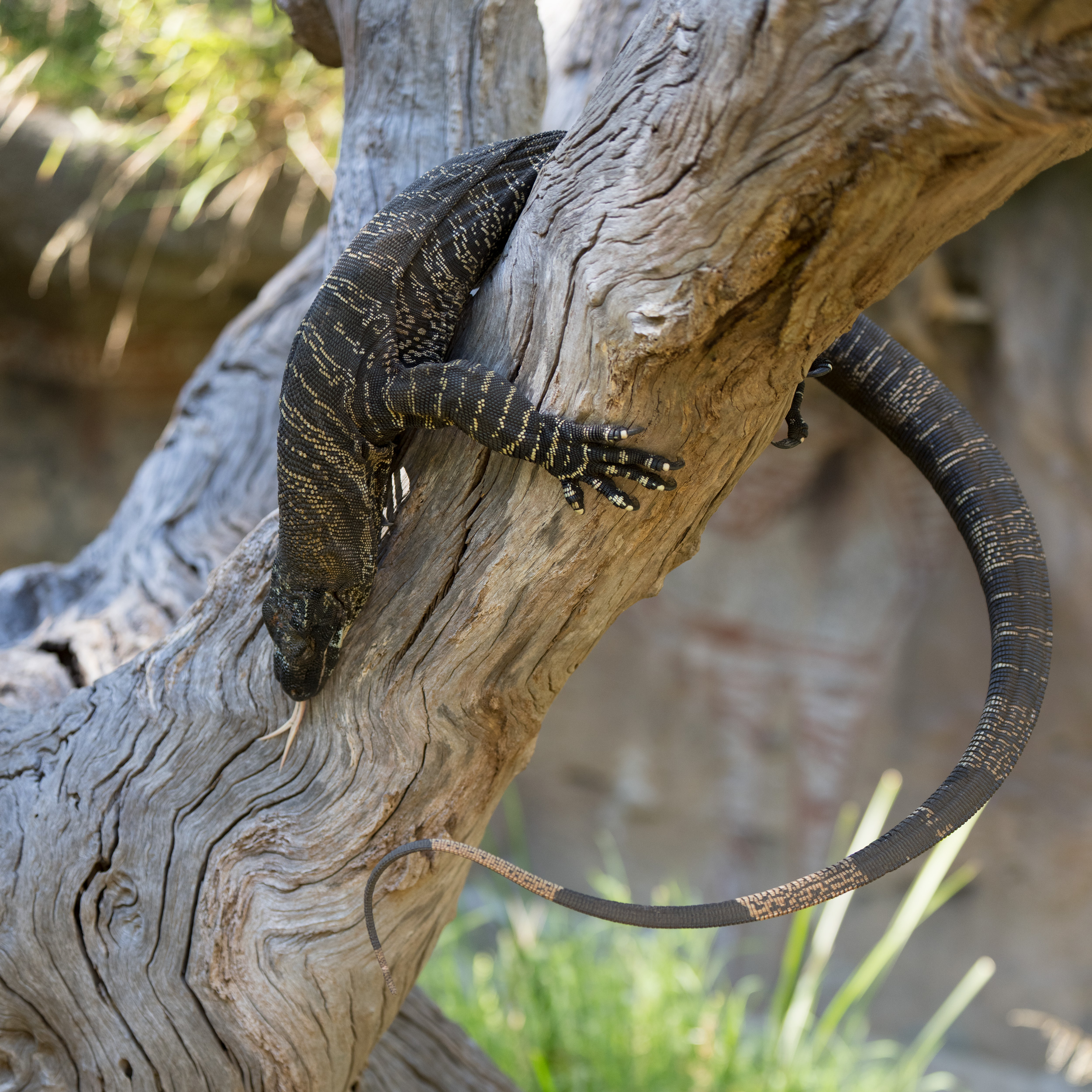 Go, go, goanna!
 A goanna may be a lizard, but a lot bigger than most lizards.
Read article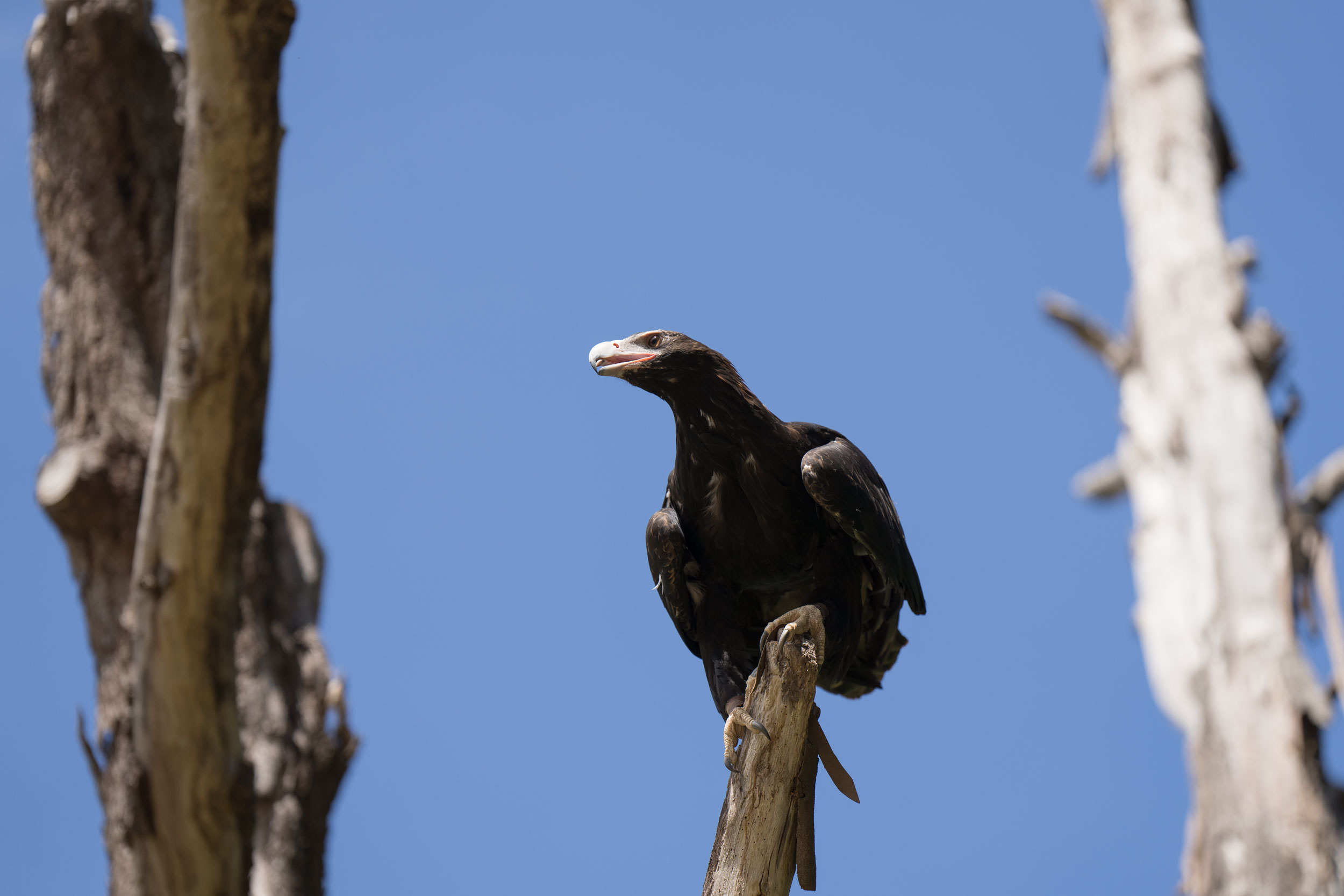 Australia's apex aerial predator still has to moult
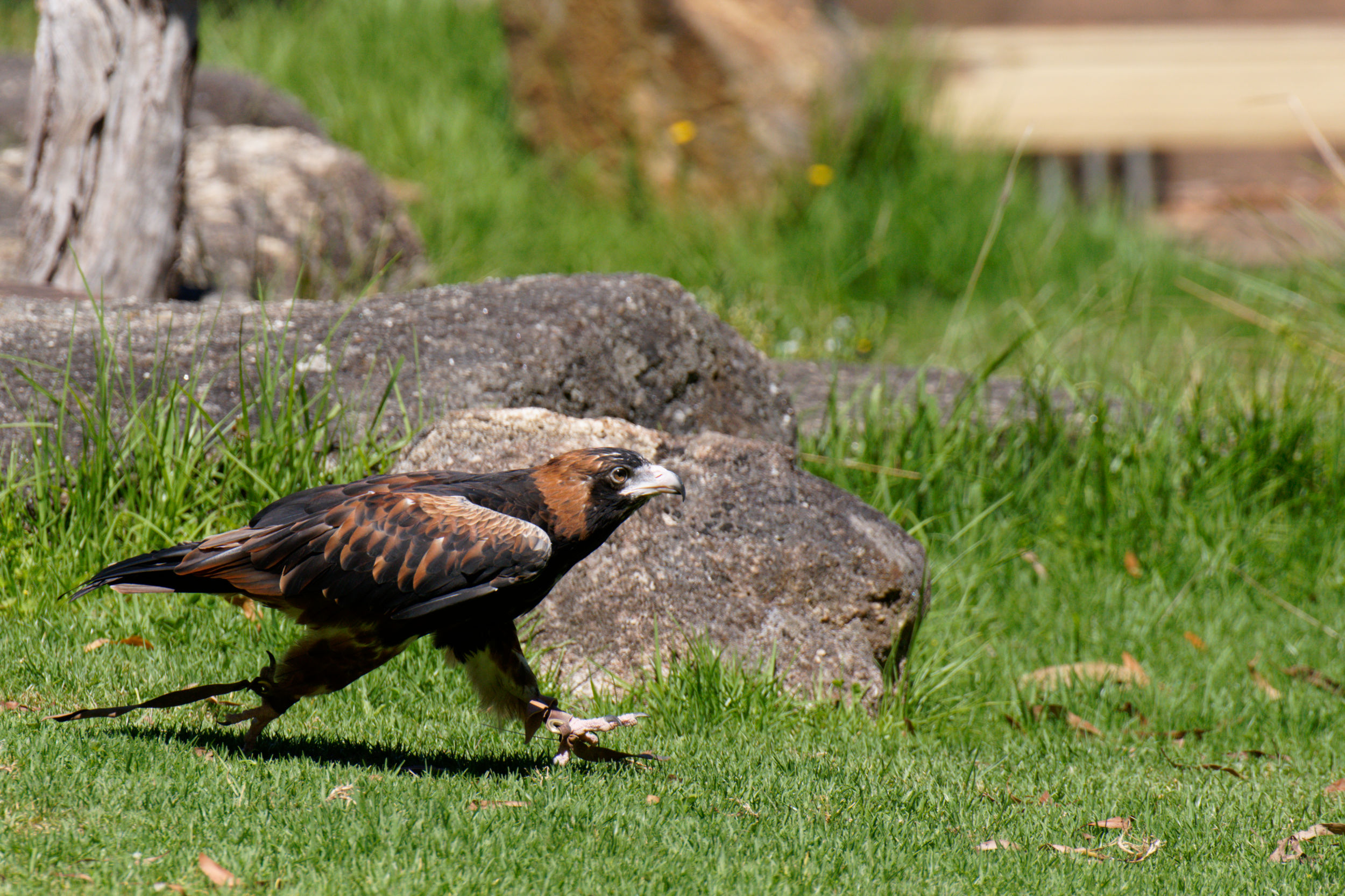
 A wedge tail eagle looks dangerous, even when she is scruffy!
Read article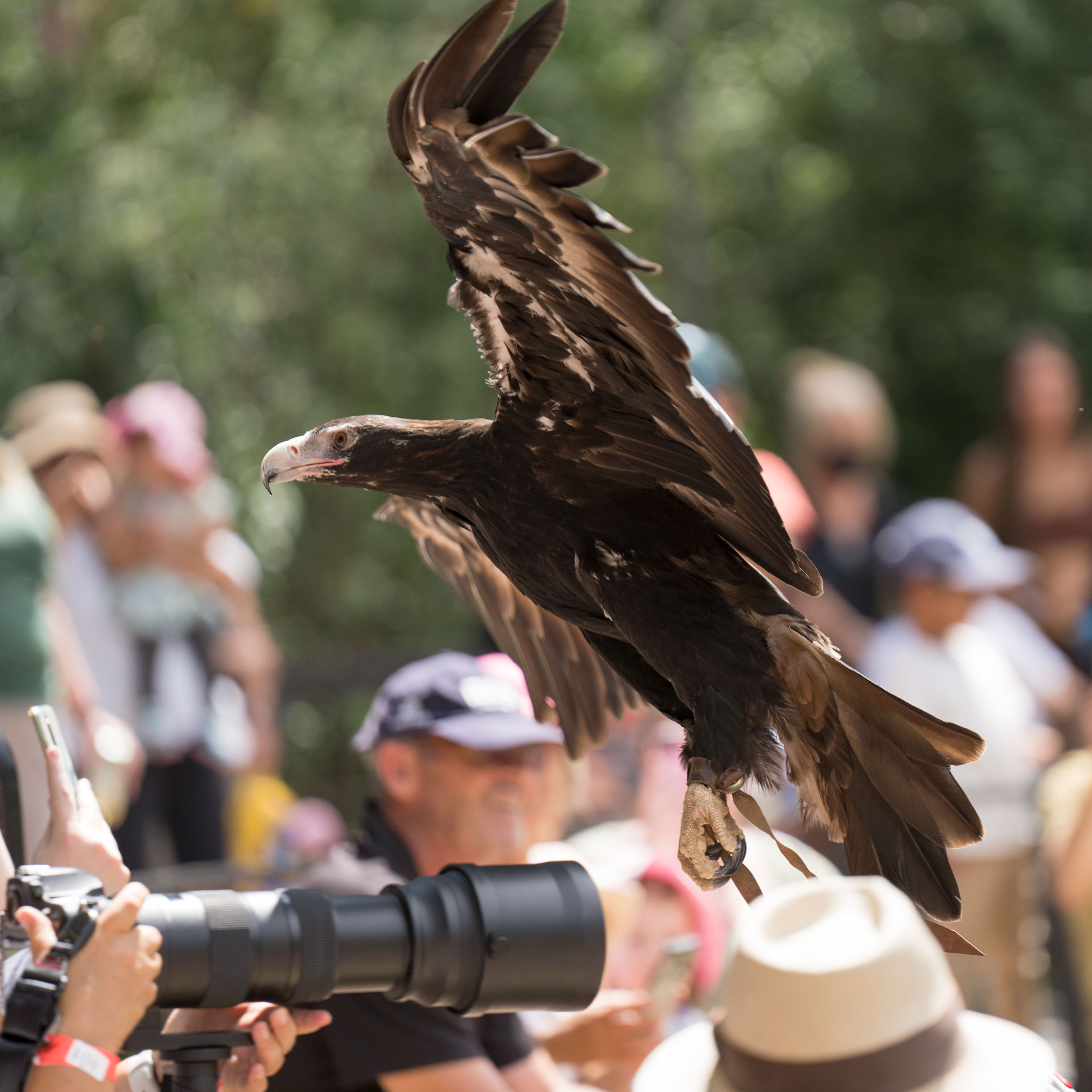 A bit too much glass for the shot
 A wedge tail eagle looks dangerous, even when she is scruffy!
Read article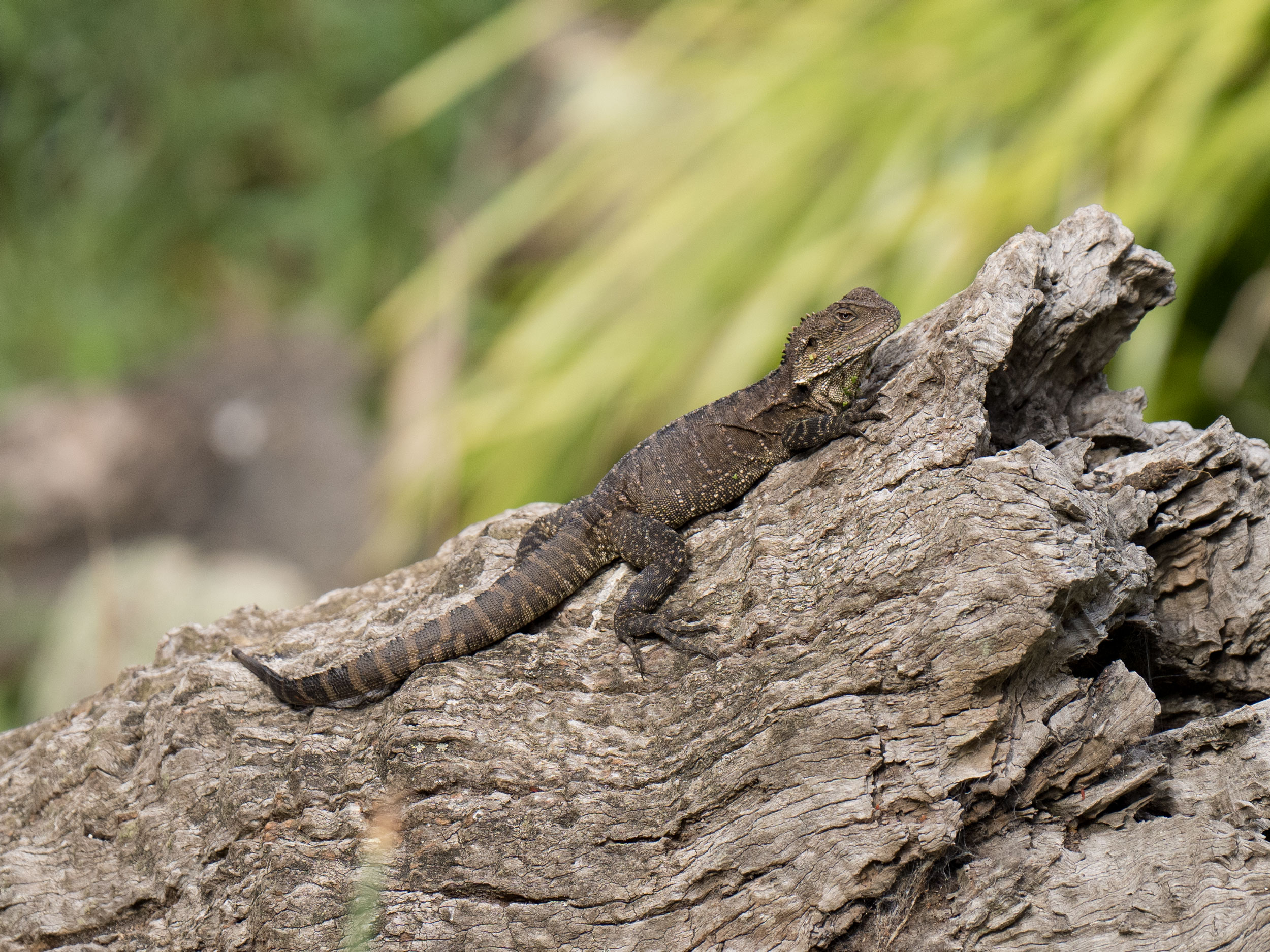 A water dragon, not a lemur
 This is not what you expect to find in the lemur enclosure.
Read article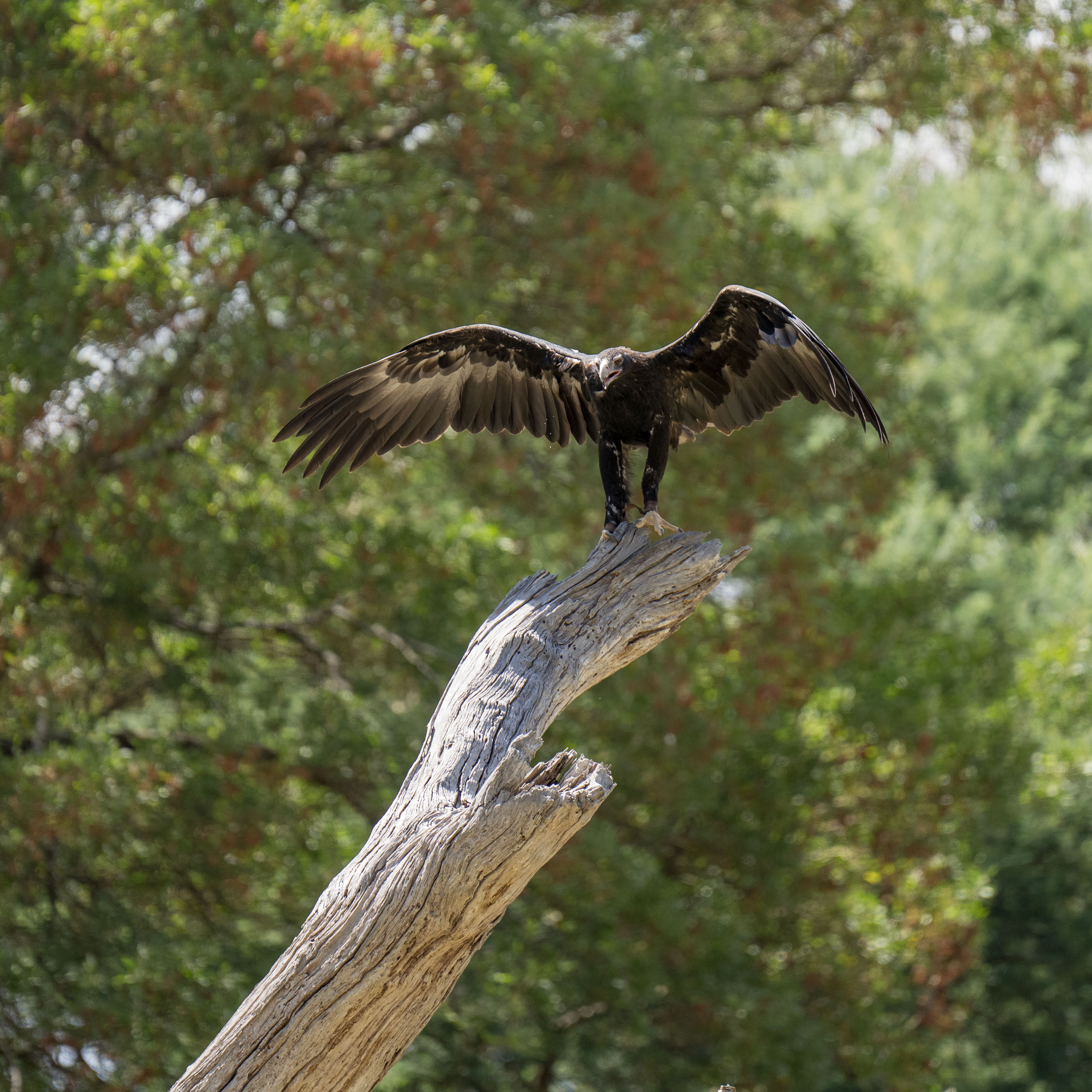 What can you do with a whole bunch of images from a burst?
 What can you do with a burst of images?
Read article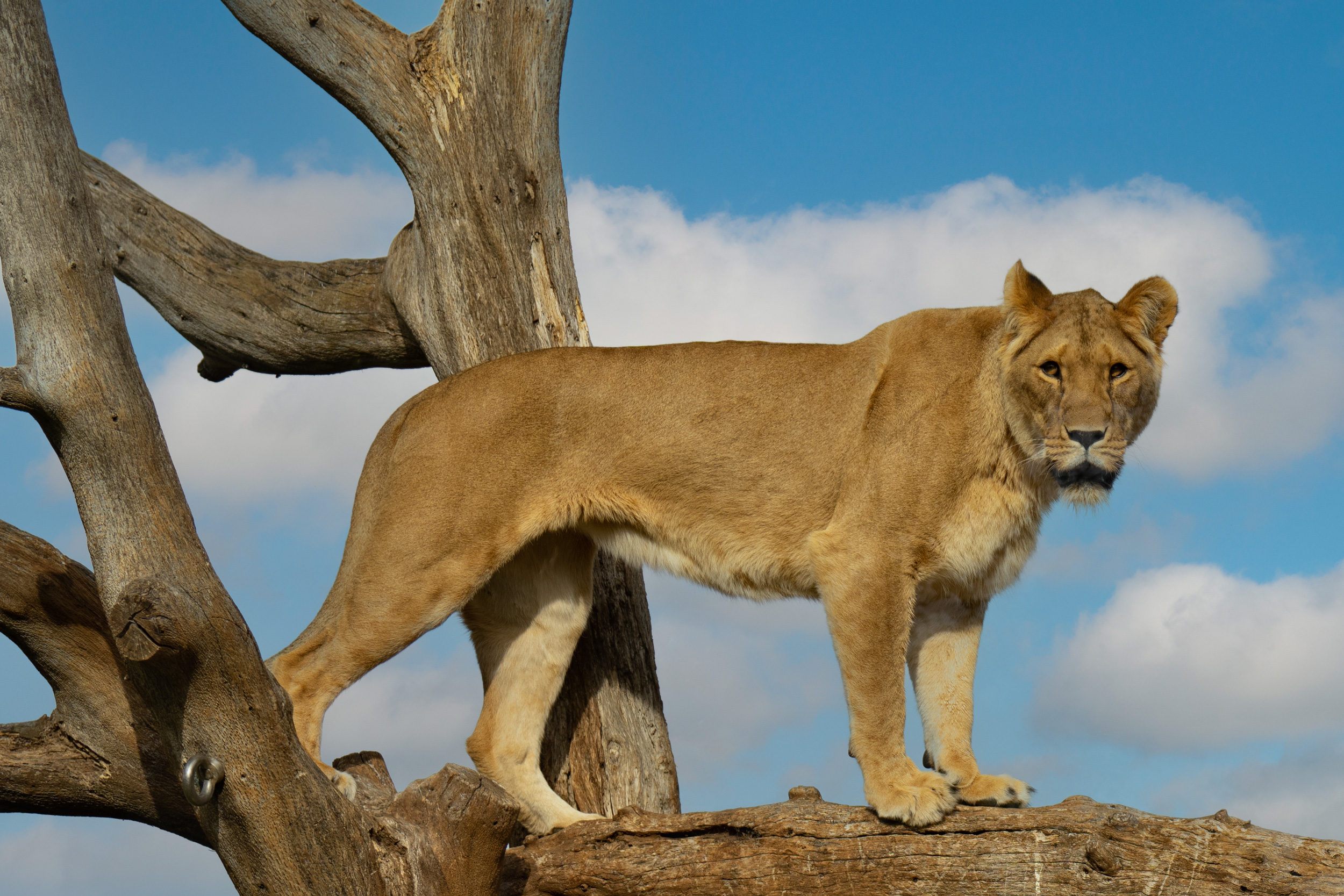 No boys allowed in this tree-house!
 A lion's tree-house is girls only for a little bit longer.
Read article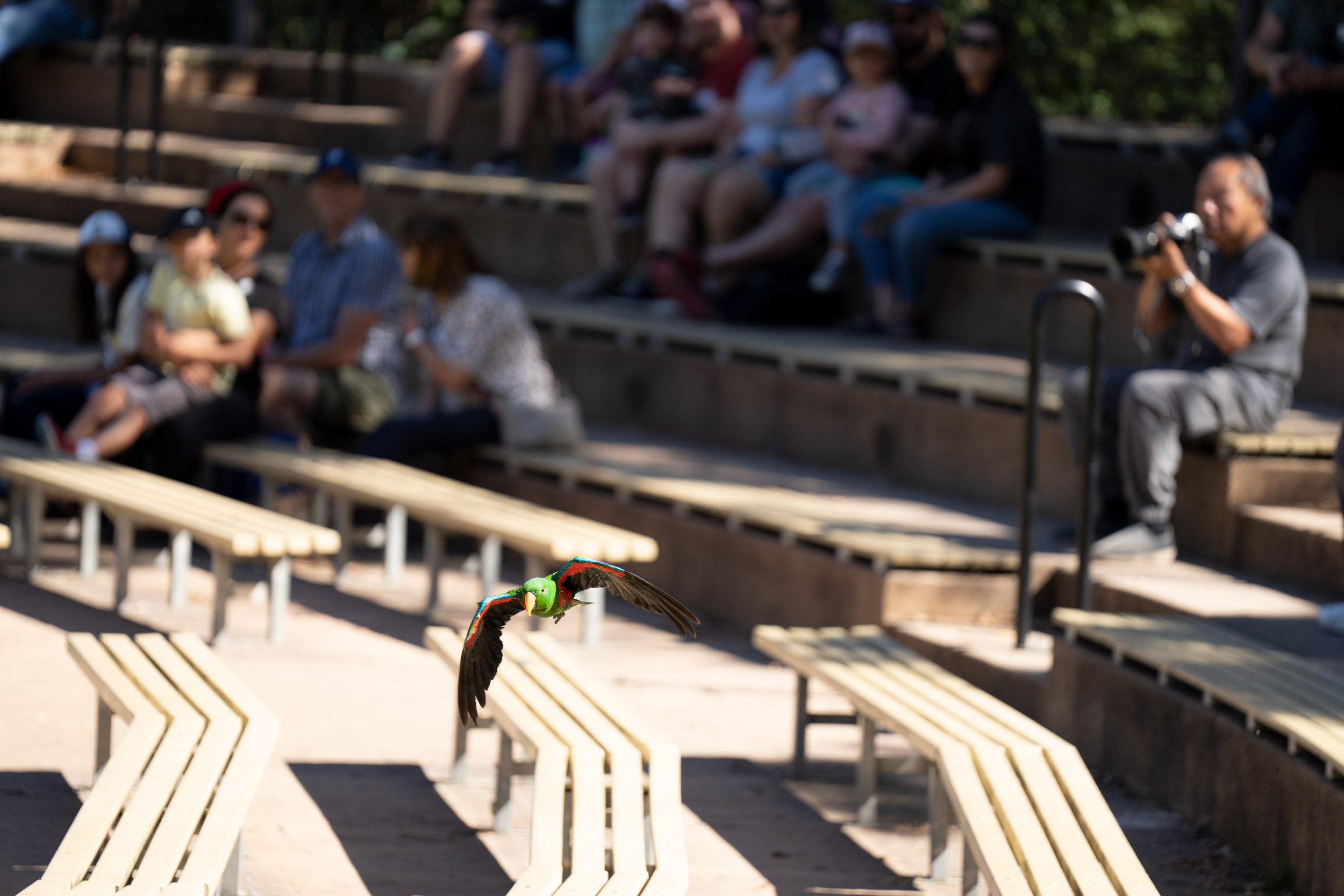 Nothing in focus?
 Sometimes the details are important!
Read article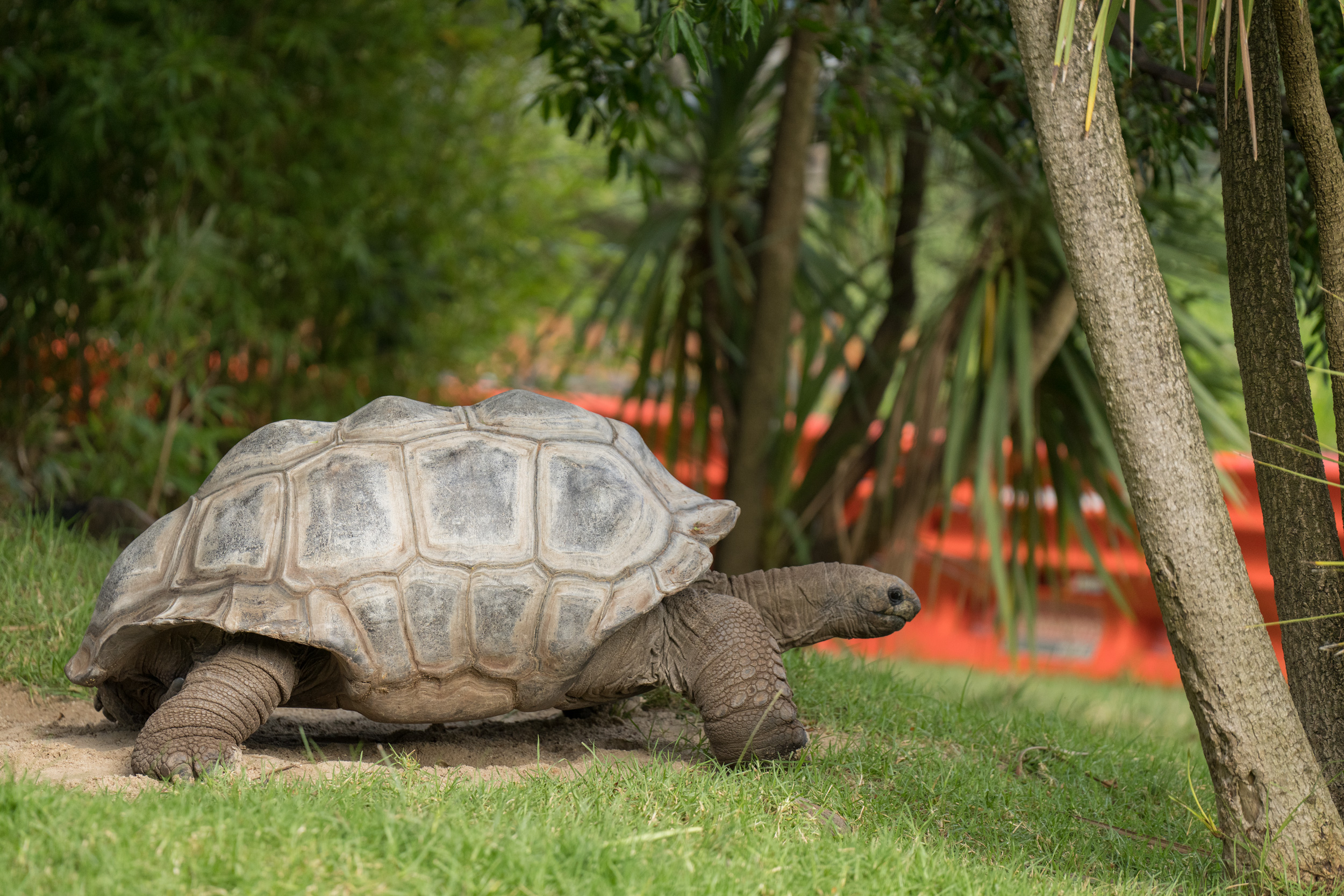 That rock is moving!
 Sometimes a tortoise just has to get somewhere.
Read article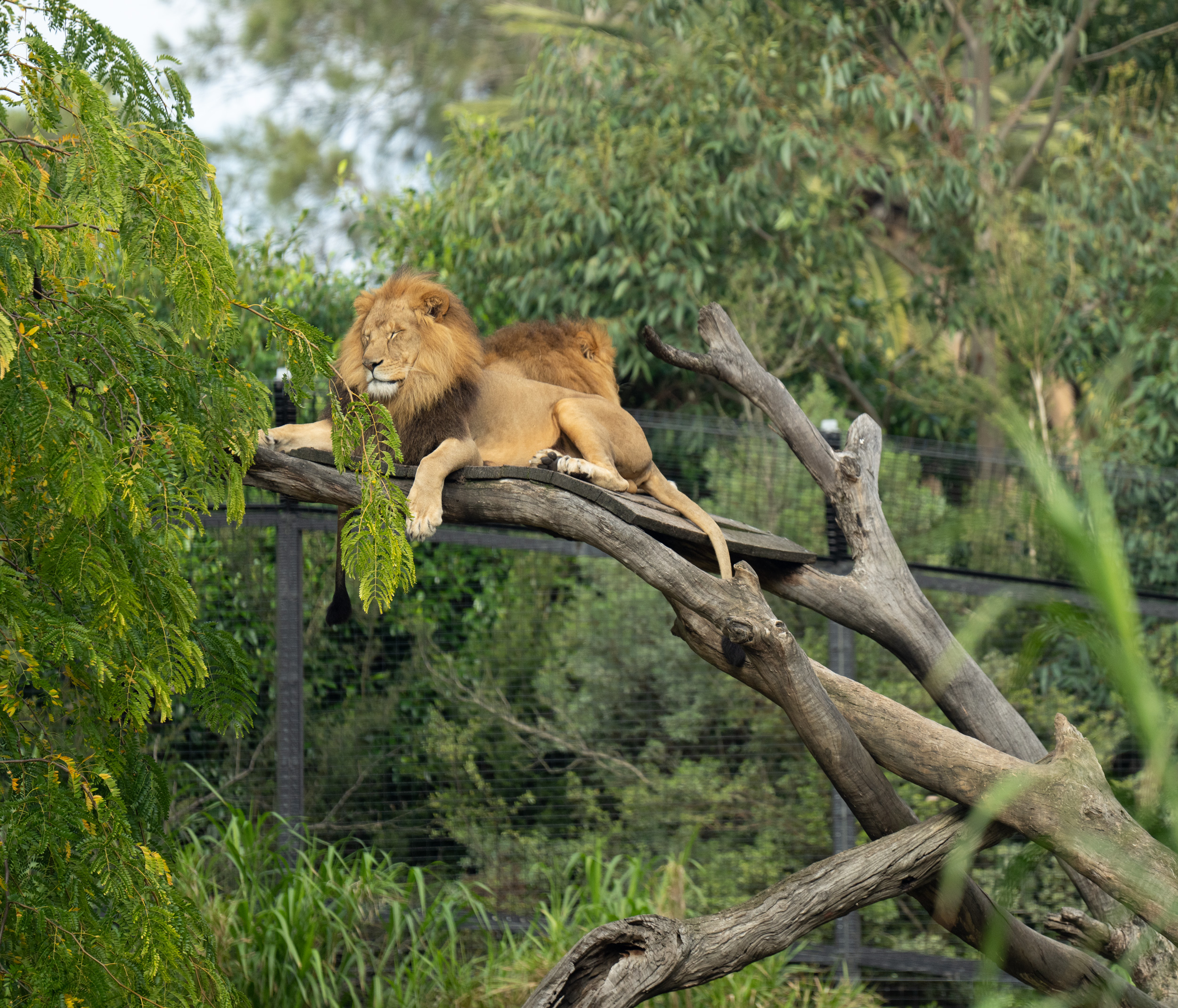 Boys only in this tree-house!
 To balance a girls-only tree-house we must show a boys-only one.
Read article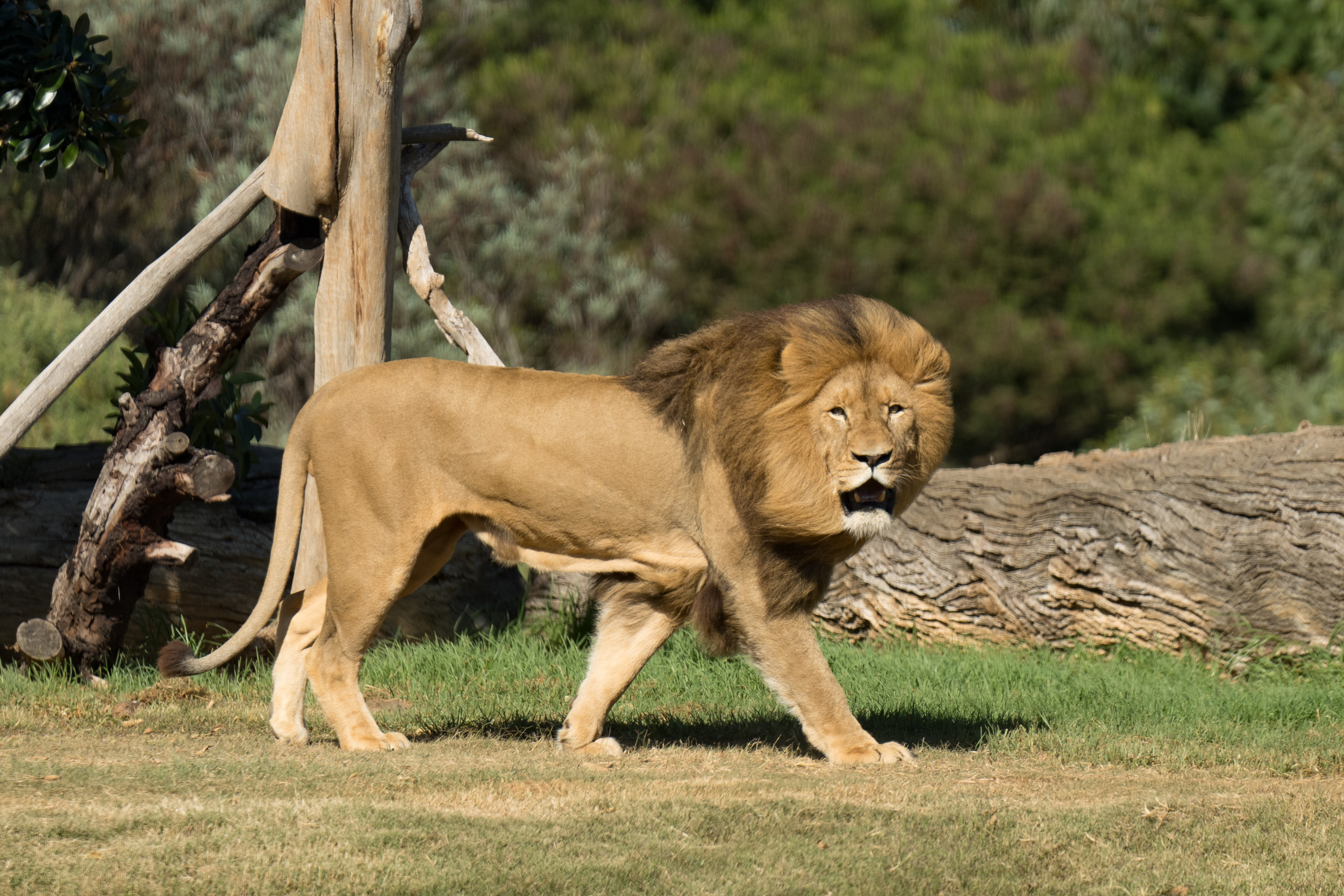 The new boy in town
 A new male lion stalks the back range at Werribee as he waits out quarantine.
Read article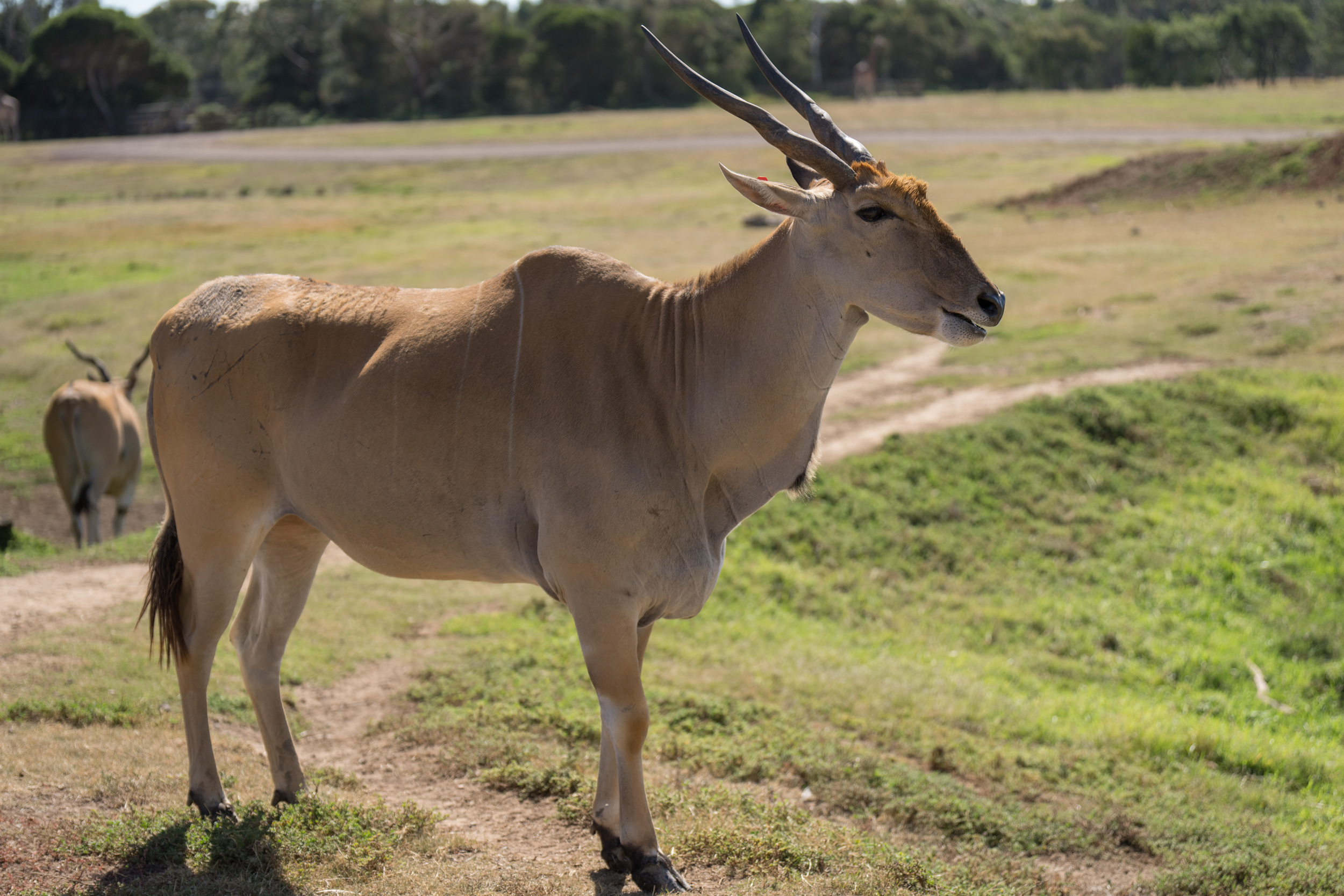 An eland posing
 An eland posing at the top of a hill
Read article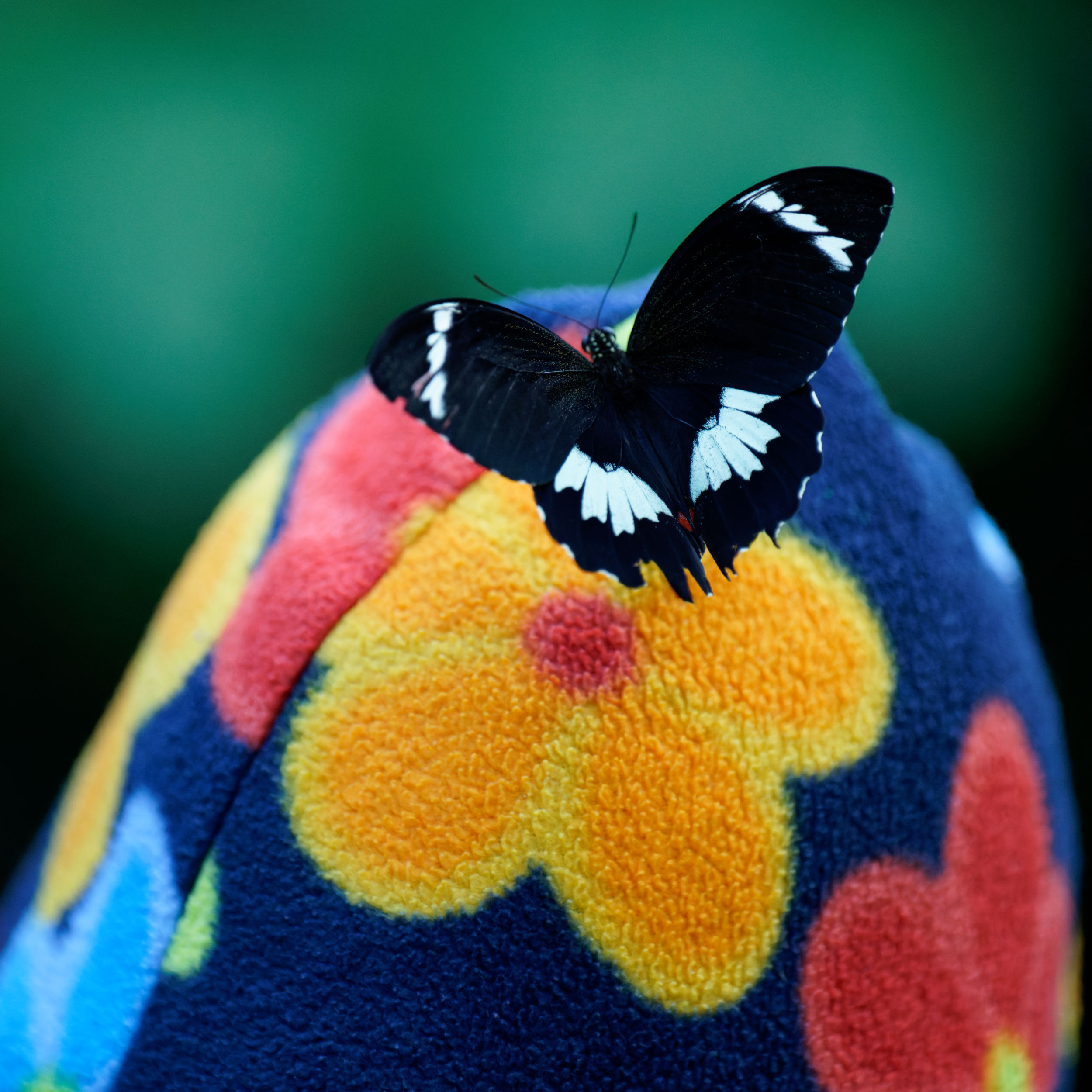 Black and white on colour
 To balance a girls-only tree-house we must show a boys-only one.
Read article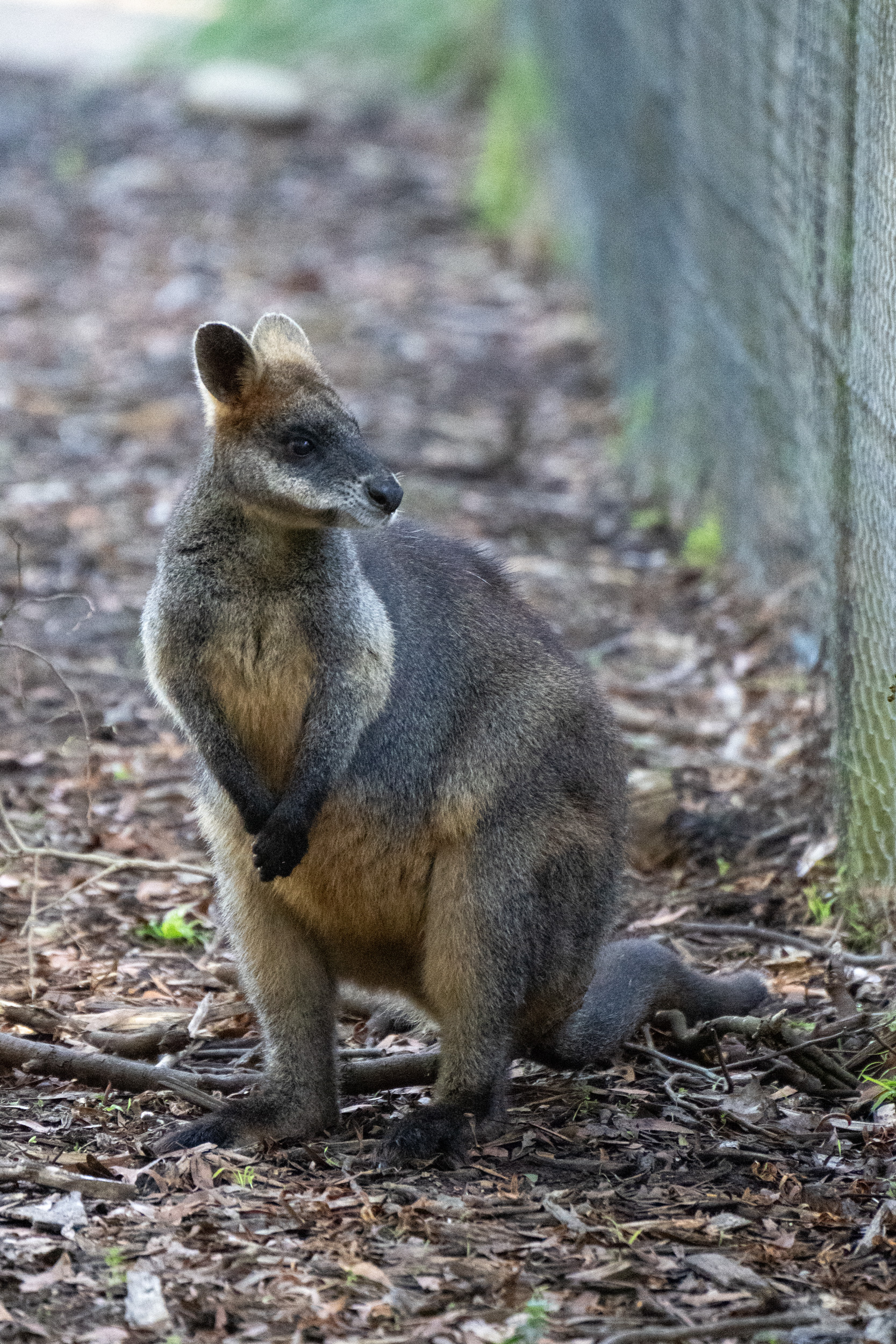 What kind of music does this wallaby like?
 A rock wallaby at rest
Read article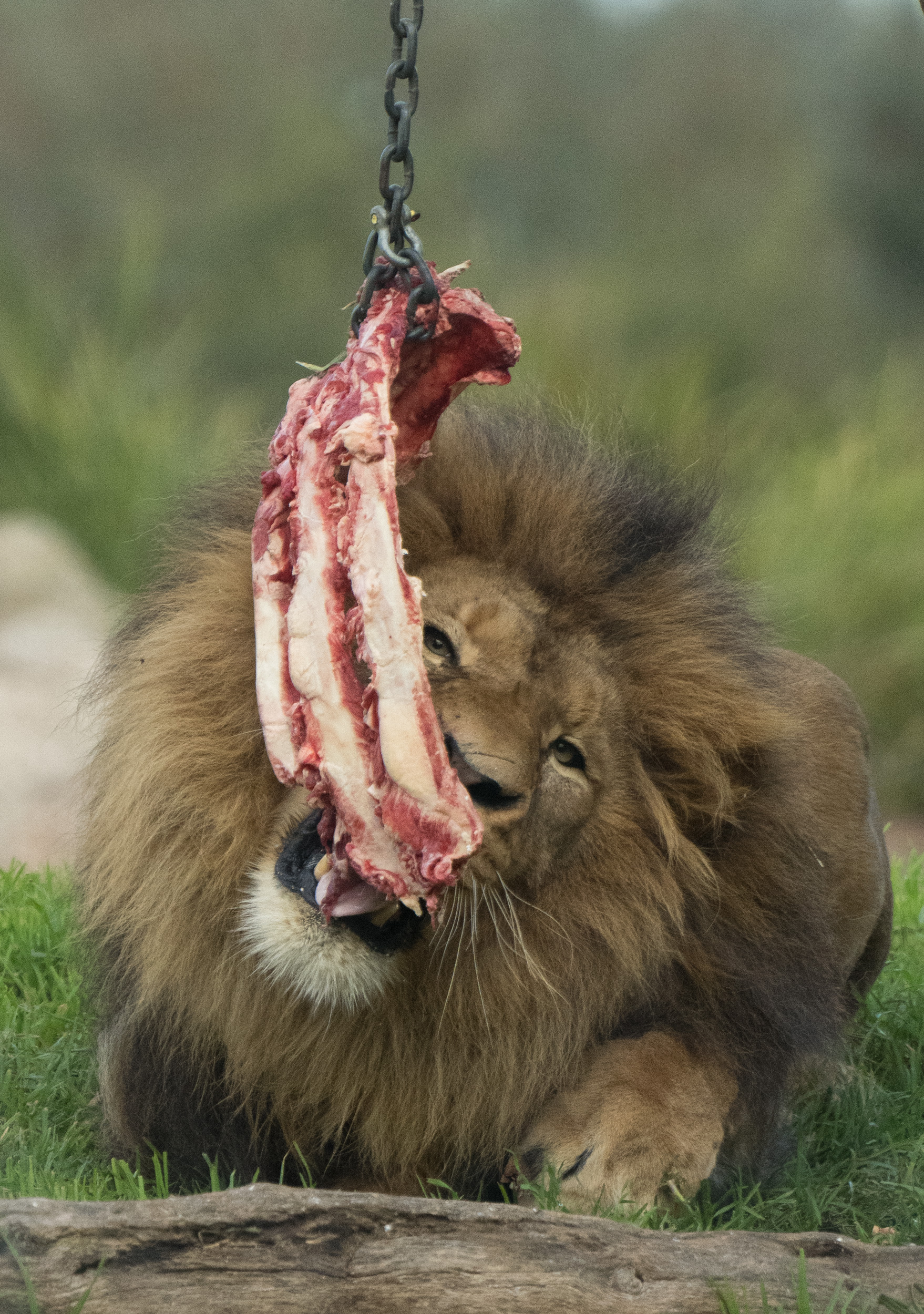 Ribs for breakfast
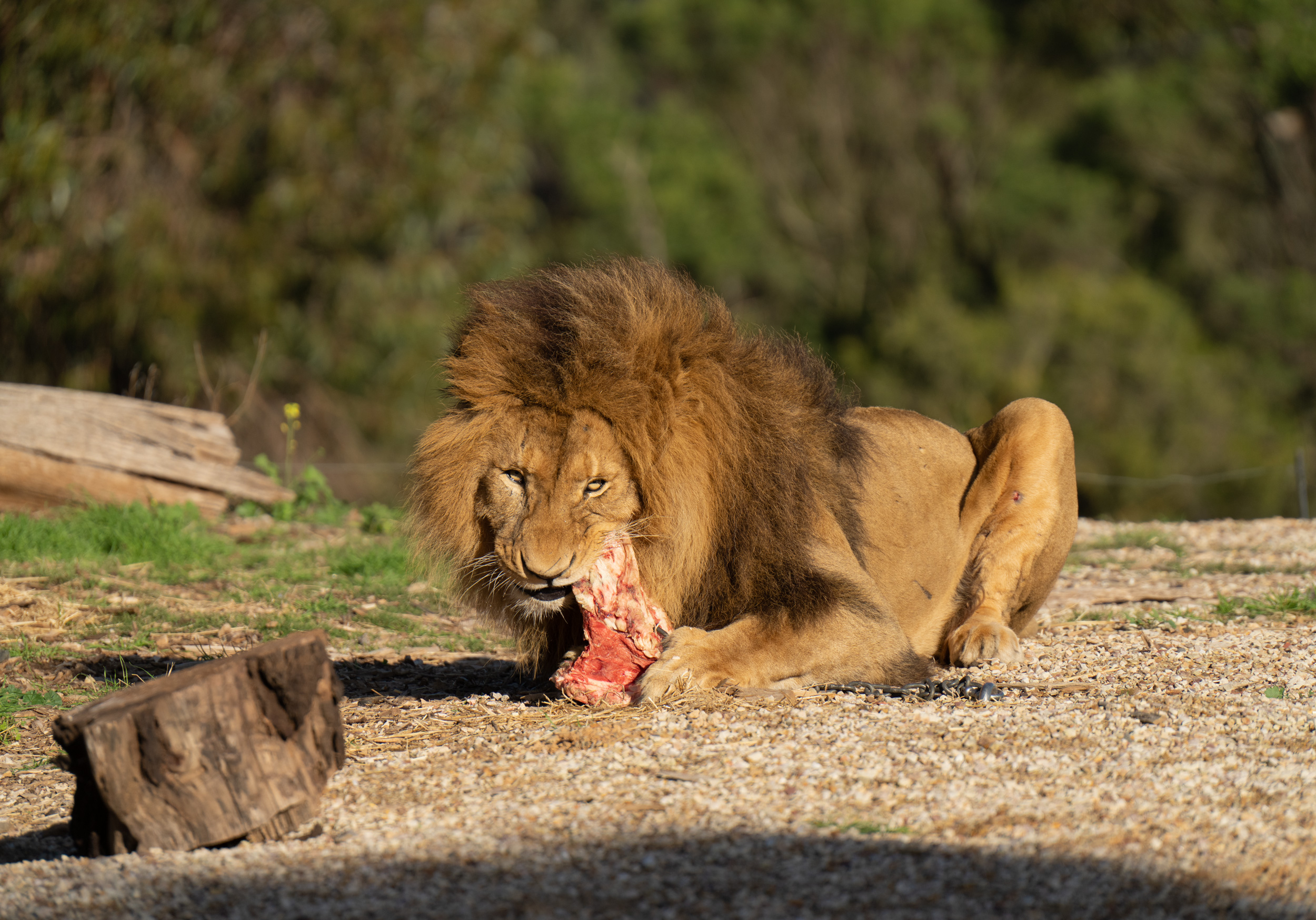
 Making a meal of some ribs
Read article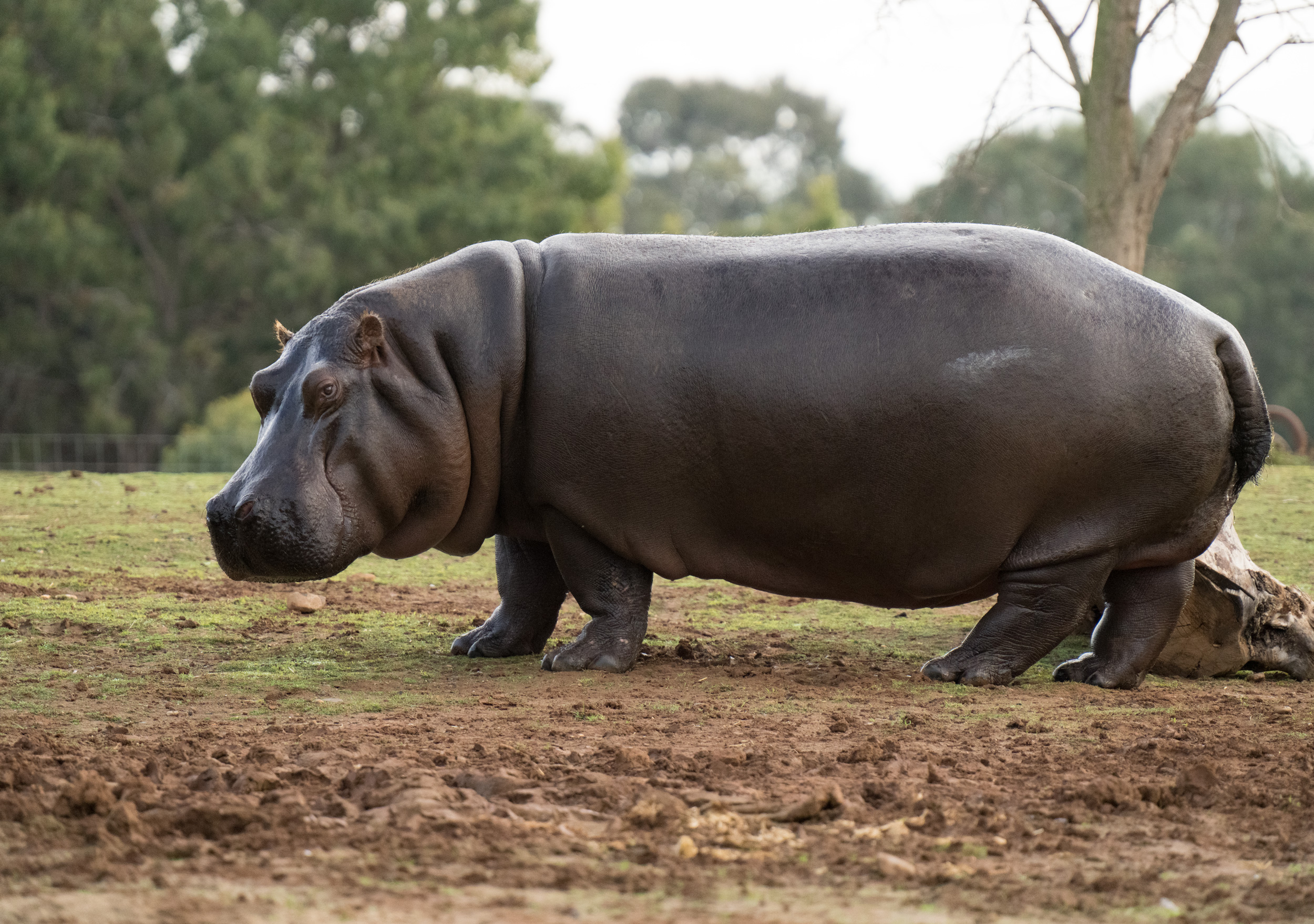 Ready for my closeup
 Making a meal of some ribs
Read article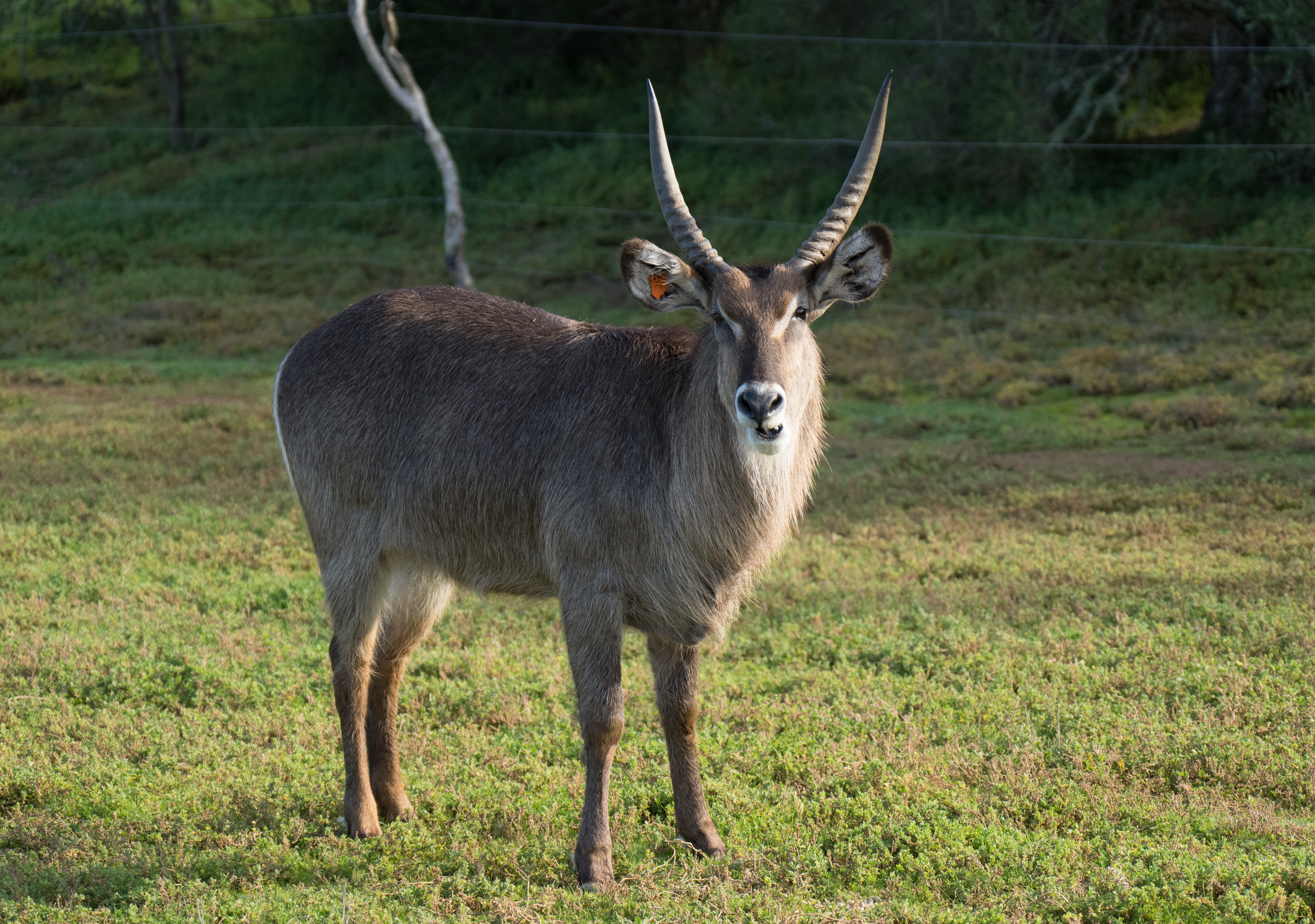 Warmly furred waterbuck
 Making a meal of some ribs
Read article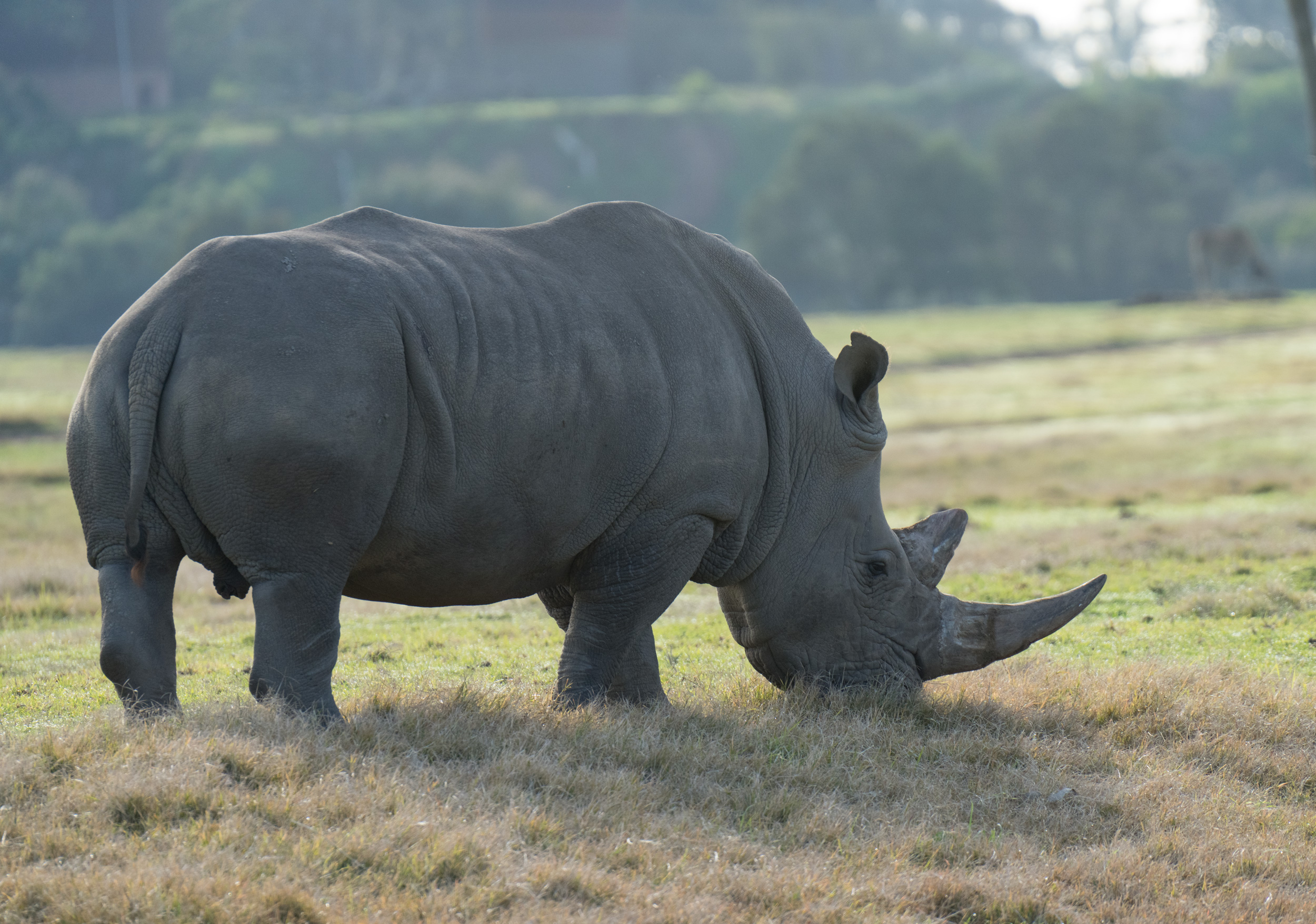 The dark side of the rhino
 Making a meal of some ribs
Read article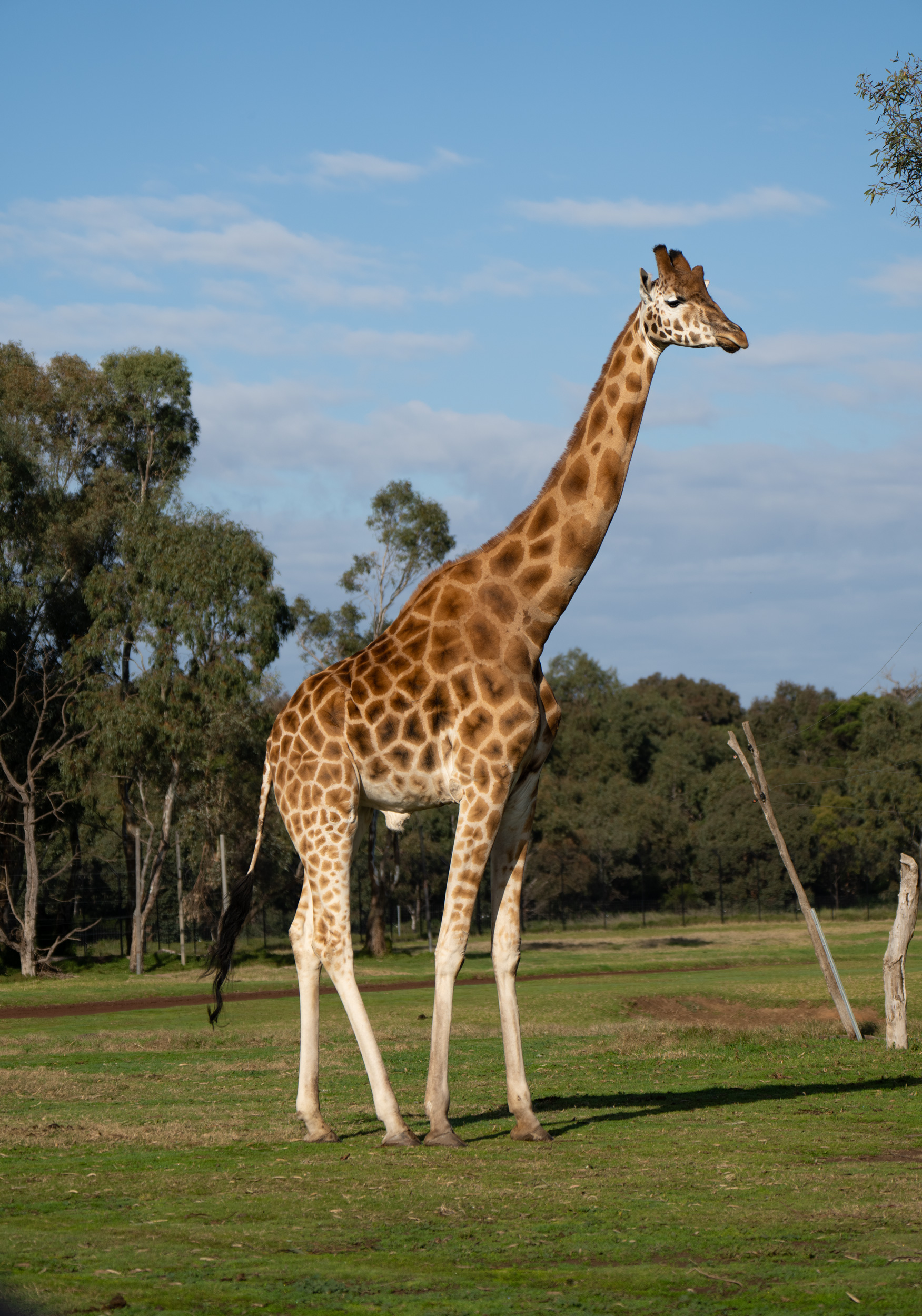 Tree-top dining
 When you are this tall, you have to look down on the world.
Read article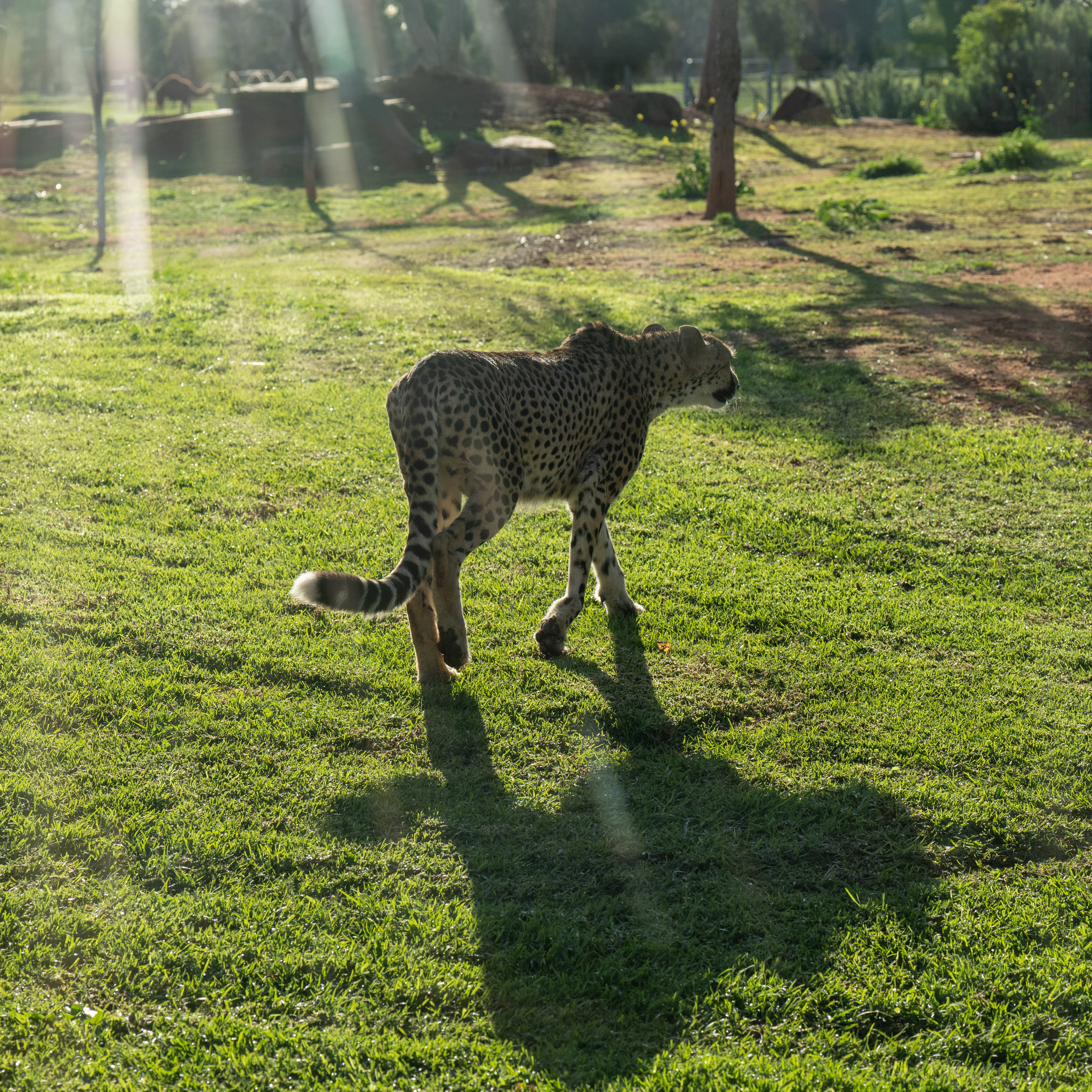 Shooting through glass with the sun at a low angle in the sky
  How much difference does a 2x teleconverter make?
 To two or not to two...
Read article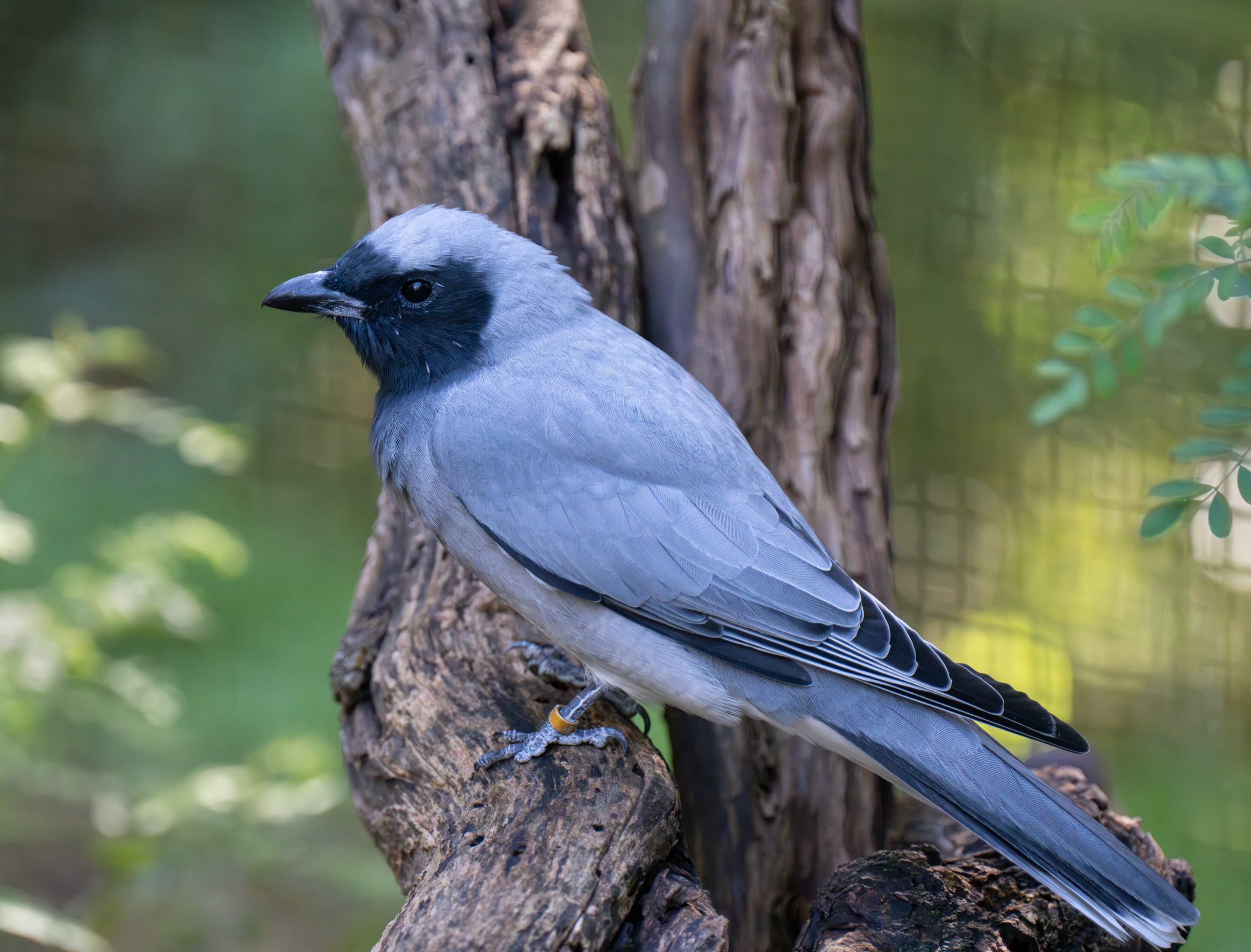 Black faced cuckoo shrike
 A cuckoo shrike is neither a cuckoo, nor a shrike.
Read article